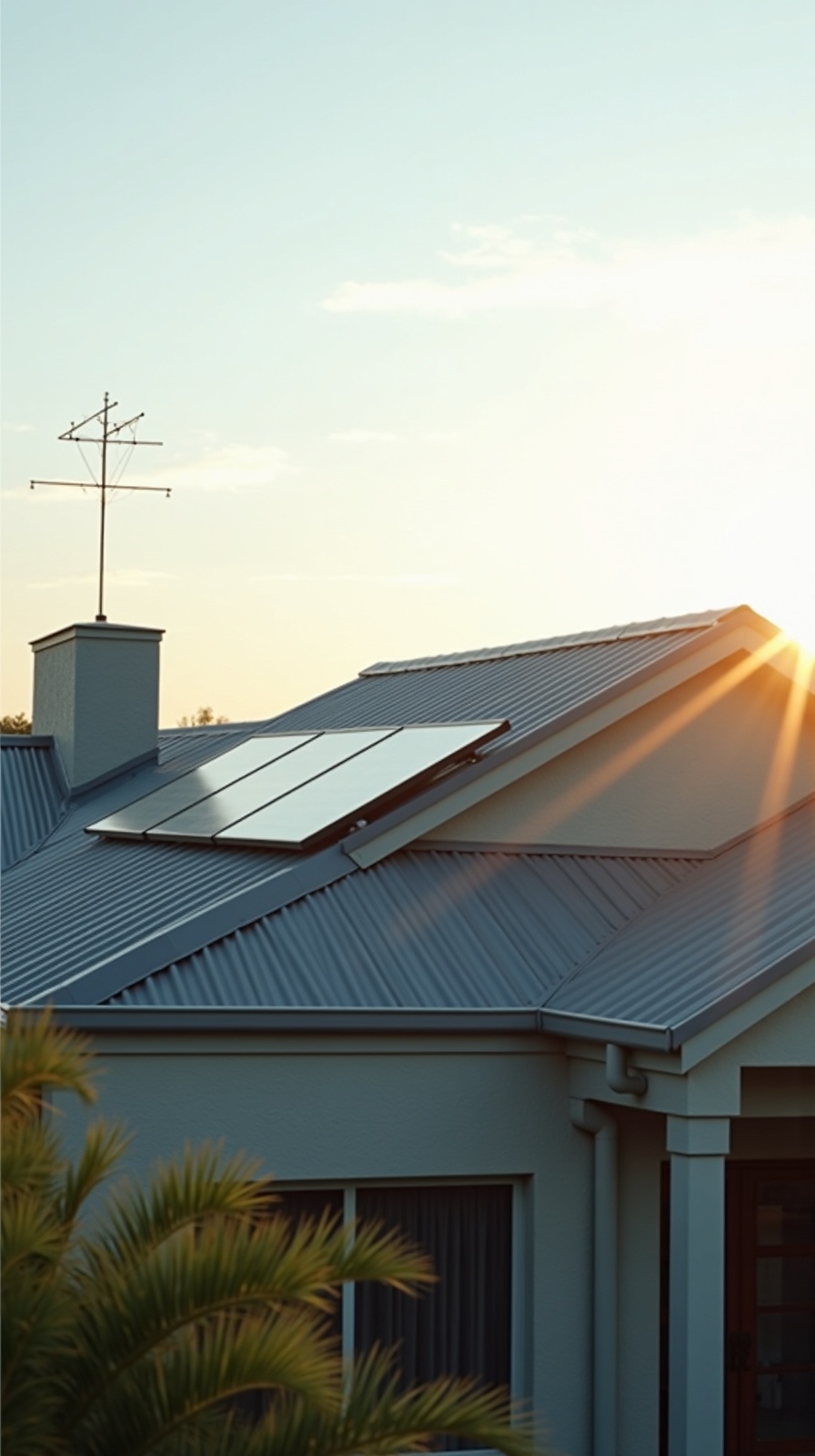

Bird and Pest Proofing Rooftop Solar Panels
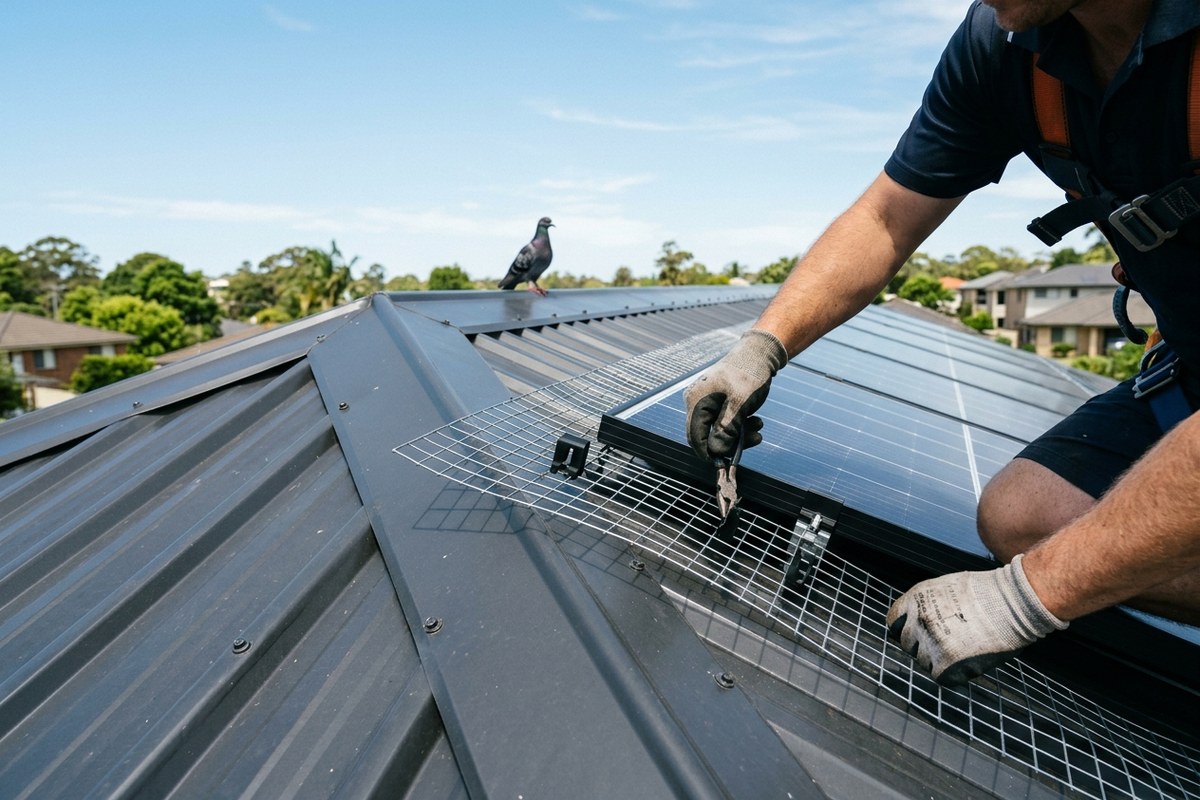
The gap between a solar panel and the roof is, from a pigeon's point of view, an ideal home: sheltered, warm, and out of reach of most predators. It is one of the most common and least expected solar problems, and on the Central Coast, where bird life is plentiful, it turns up on plenty of roofs. Left alone, what starts as a few birds becomes a colony, and the mess and damage follow.
Why Birds and Pests Move In
The cavity under an array ticks every box for nesting. Pigeons in particular take to it readily, but possums and rodents will use it too. Once a pair settles, others follow, and a quiet roof becomes a busy one. The birds are not damaging the panels out of malice, they are simply doing what the sheltered space invites. The problem is what comes with them: nesting material, droppings, noise, and the gradual wear they cause.
The Damage They Cause
Bird mess is corrosive and builds up on the roof and panels, and droppings on the glass act like shading, cutting output where they land. Nesting material blocks airflow under the panels, which run hotter as a result, and can clog roof drainage. Worse, birds and rodents will peck and chew at cabling and connectors, and damaged DC wiring on a roof is both a generation fault and a safety risk. What looks like a noise nuisance can become an electrical problem.
Cleaning Out the Mess
Dealing with an established colony starts with clearing it: removing the nesting material, droppings and debris from under and around the array, and cleaning the panels and roof. This is unpleasant work and needs to be done carefully around live electrical gear and on a roof, but it is the necessary first step. Proofing over the top of an existing mess just traps the problem, so the clear-out comes first, and any cabling damage is checked while everything is exposed.
Proofing to Keep Them Out
Once the array is clean, proofing closes the gap that invited the birds in. The usual approach is a mesh or clip system fitted around the perimeter of the panels, sealing the cavity without restricting the airflow the panels need or interfering with the system. Done properly, it is barely visible from the ground and keeps pigeons, possums and rodents out for the long term. Fitted by someone who works on solar, it is done without damaging the panels or voiding anything.
Catching It Early
The cheapest time to deal with birds under solar is before a colony establishes. A few birds investigating the gap are easy to discourage; an entrenched roost with built-up mess and chewed cabling is a bigger job. This is one more thing a periodic service catches, a look under the array spots the early signs, and proofing fitted before the problem grows saves the larger clean-up and the risk of cabling damage later.
Frequently Asked Questions
Why do birds nest under solar panels?
The gap between the panels and the roof is sheltered, warm and safe from predators, ideal for pigeons especially, and for possums and rodents. Once a pair settles, others tend to follow.
Can birds actually damage my system?
Yes. Droppings corrode and shade the panels, nesting material blocks airflow and drainage, and birds and rodents chew cabling and connectors, which is both a fault and a safety risk.
Can I just put mesh over the mess?
No, proofing over an existing colony traps the problem. The array is cleared and cleaned first, any cabling damage is checked, and then proofing is fitted to keep them out.
Will proofing affect how the panels work?
Done properly, no. A perimeter mesh or clip system seals the gap without restricting the airflow the panels need or interfering with the system, and is barely visible from the ground.
Birds Moved in Under Your Panels?
Pigeons and pests under solar cause mess and damage. We clean it out and fit proofing to keep them out for good. Chat with our team across the Central Coast.