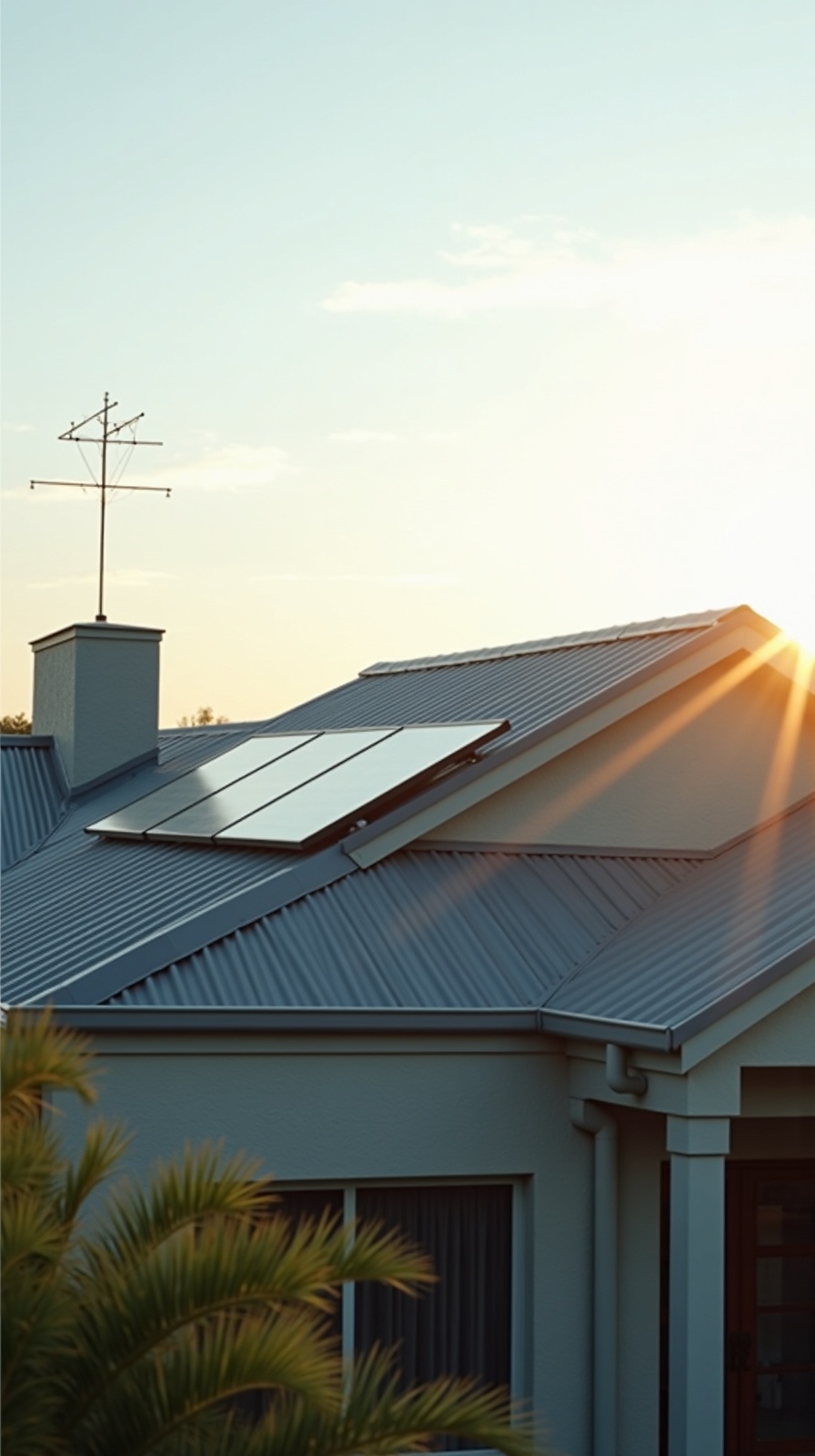

A Pre-Purchase Solar Health Check When Buying a Home
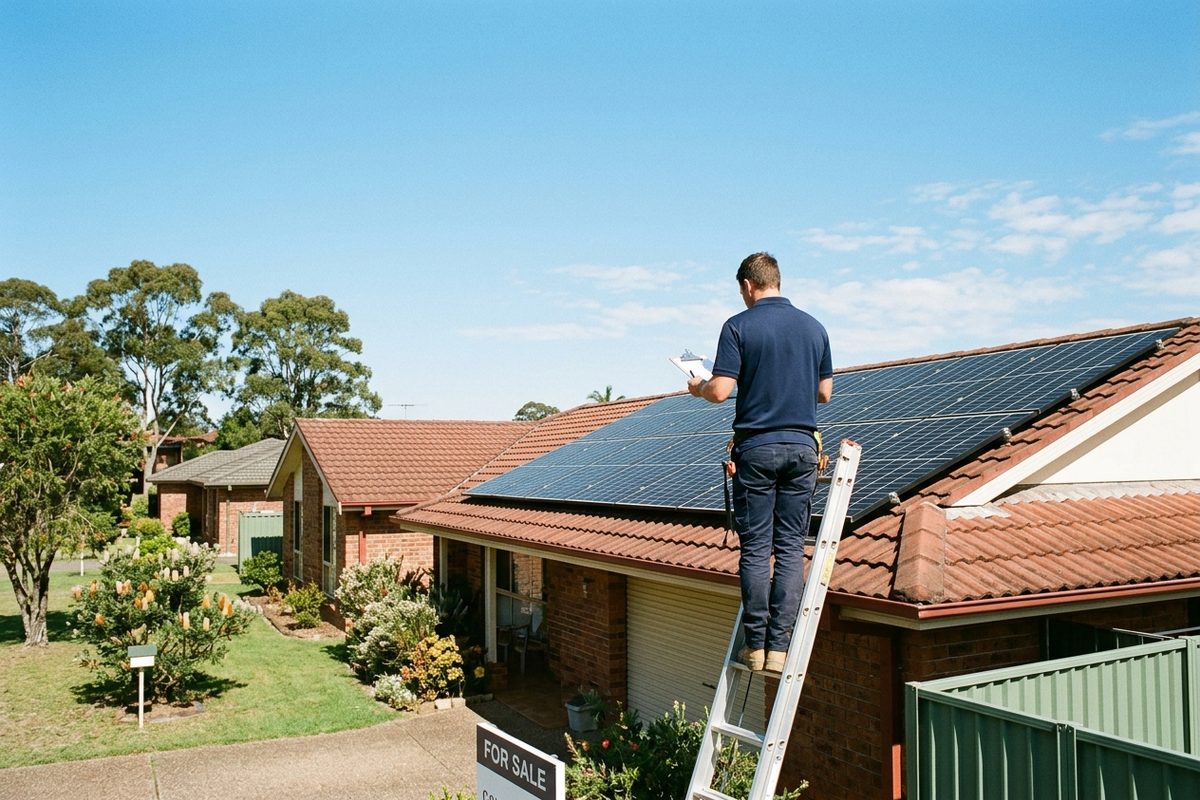
Solar on a house you are buying is usually listed as a selling point, and often it genuinely is. But an existing system comes with an unknown history, its age, who installed it, whether it has been maintained, and whether it actually works. A system that looks like a bonus in the listing can turn out to be a tired array with a failing isolator and a dead string. A pre-purchase check tells you which before you commit.
Why an Existing System Is an Unknown
When you buy a home with solar, you inherit whatever was done to it and whatever has gone wrong since. The panels could be near the end of their life or barely run in. The inverter could be original and ageing. The isolator could be one of the troubled early types. It may have been serviced regularly or never touched. The listing rarely says, and a quick look from the street tells you nothing about the electrical condition or the real output. The system is a genuine unknown until someone checks it.
What a Pre-Purchase Check Covers
A proper inspection looks at the things that decide whether the system is an asset or a liability: the age and condition of the panels and inverter, the state of the rooftop isolator and connectors, whether the system is actually generating what it should, the condition of the mounting and cabling, and whether the install meets a reasonable standard. It also establishes what brand the gear is and whether it is still supported, which matters for any future repairs. The result is a clear picture of what you would be taking on.
The Costs That Hide in Old Solar
The reason this is worth doing is that solar faults are invisible from a buyer's inspection but not cheap to fix. A failing isolator is a safety issue and a replacement. A dead inverter is a significant cost. An array that has lost output earns far less than the listing implies. None of these show up in a standard building or pest inspection, which do not assess the solar electrically. Going in informed lets you factor any work into your decision rather than discovering it after settlement.
An Asset or a Liability
A sound, well-installed system on a home is a real asset, it offsets bills from day one and saves you the cost and hassle of installing your own. A tired, faulted or poorly installed one is a liability you would be paying to fix. The difference is not visible without a check, and the gap between the two can be substantial. Knowing which you are buying is worth far more than the modest cost of finding out.
When to Get It Done
The time for a pre-purchase solar check is before settlement, alongside the other inspections, while there is still room to factor what it finds into your thinking. If the system is sound, you buy with confidence; if it needs work, you know going in. Either way, an existing system stops being a guess and becomes a known quantity, which is exactly what you want before taking on someone else's solar.
Frequently Asked Questions
Does a standard building inspection cover the solar?
Generally not electrically. Building and pest inspections do not assess whether a solar system works, its real output, or the condition of its electrical components. A separate solar check covers what they do not.
What can go wrong with an inherited system?
Plenty that is invisible from the street, an ageing inverter, a failing isolator, a dead string, lost output, or an unsupported brand. These are costs that do not show until someone inspects the system properly.
Is solar on a home always a good thing?
A sound, well-installed system is a real asset; a tired or faulted one is a liability you would pay to fix. The difference is not visible without a check, which is why it is worth doing before you buy.
When should I get the solar checked?
Before settlement, alongside your other inspections, while there is still room to factor the findings into your decision. It turns an unknown system into a known quantity before you commit.
--- **Version:** v14, Site 8 (solarelectriciancentralcoast.com.au) folded in: homepage + 8 Tier 1 (live) + 16 Tier 2 (drafts). Logged 20 June 2026. (v13 added Site 7; v12 Site 6; v11 Site 5; v10 Site 4; v9 System Assets.)Buying a Home With Solar Already On It?
An existing system can be an asset or a liability, a check tells you which before you settle. Chat with our team to arrange a pre-purchase solar inspection on the Central Coast.