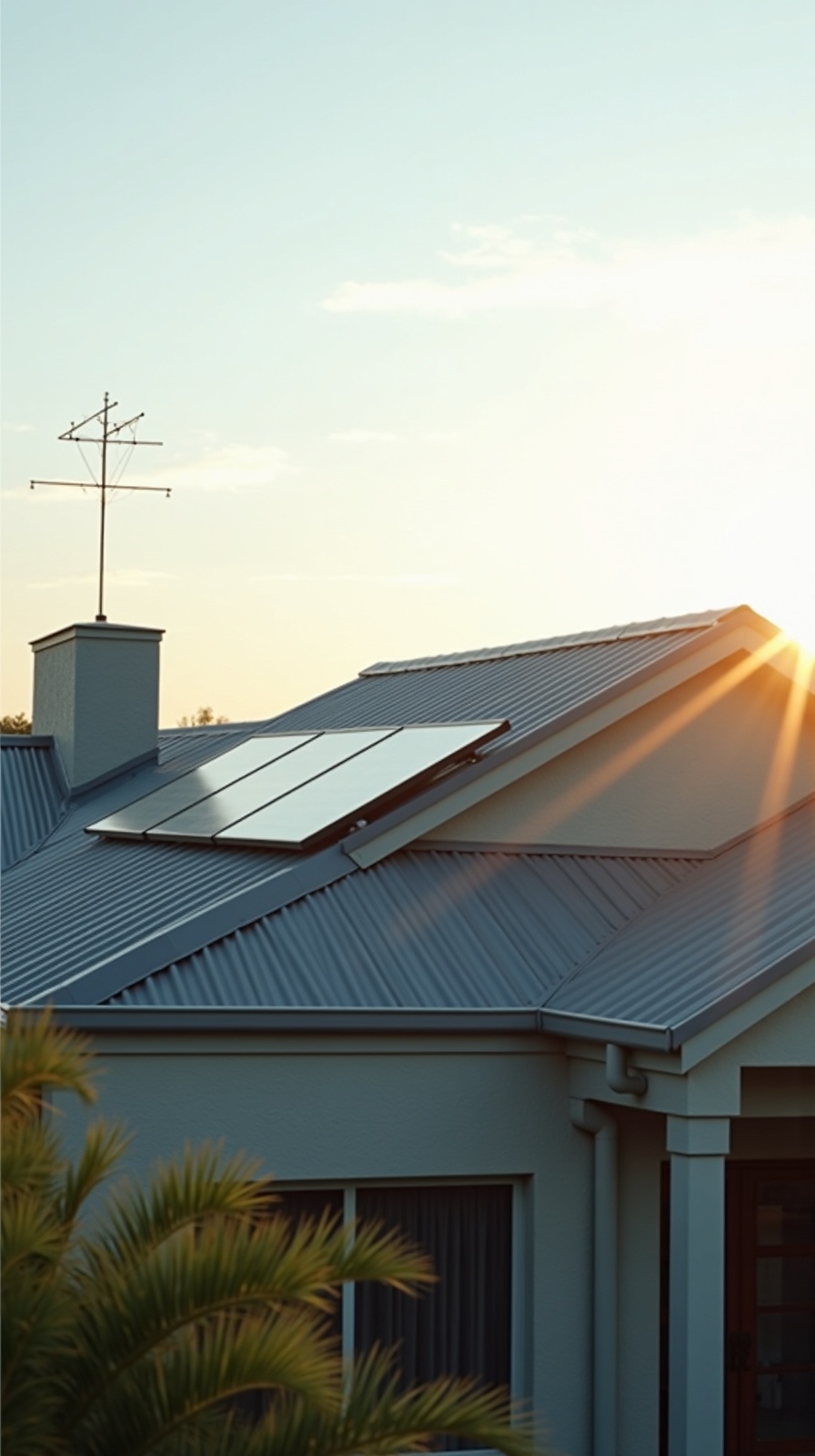

Signs Your Solar System Is Underperforming on the Central Coast
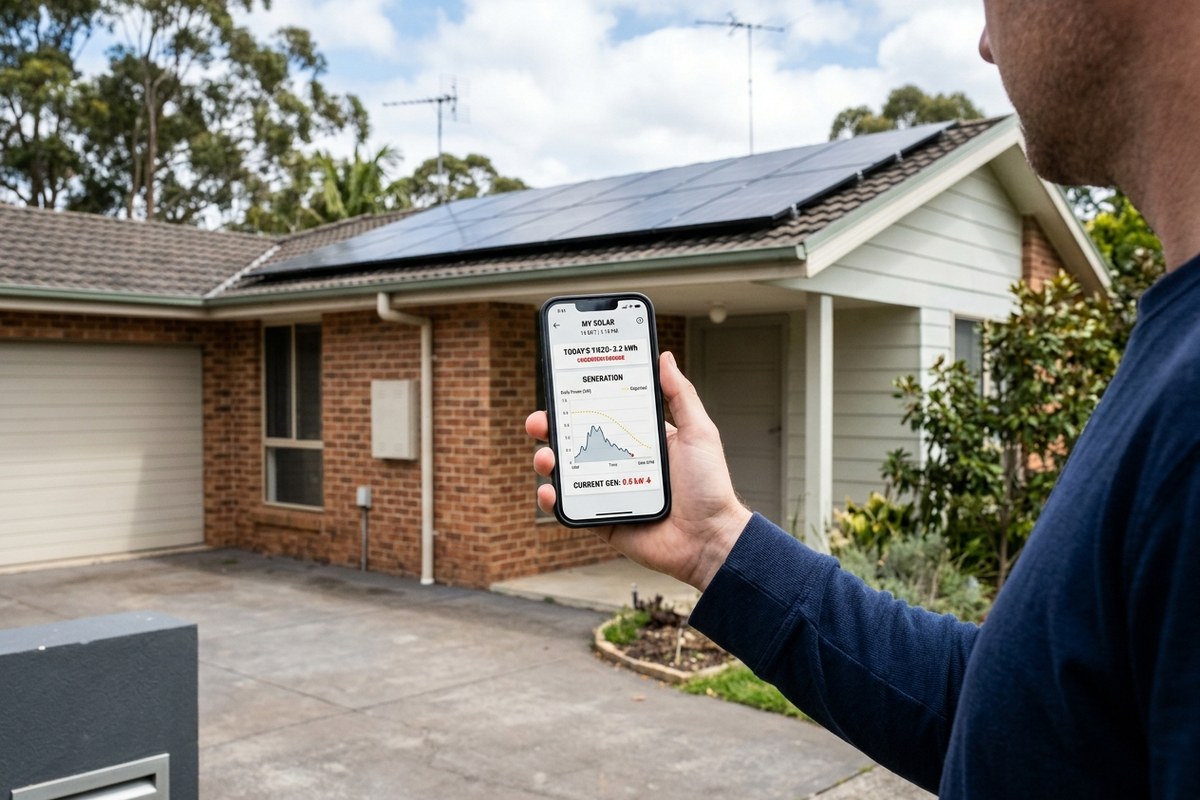
A solar system that is quietly underperforming is a frustrating thing, because it does not break in a way you can see. It just makes a bit less than it should, the bill sits a little higher, and the household carries on assuming everything is fine. Knowing the signs is the difference between catching a fault early and paying for lost generation for years without realising.
The Bill That Crept Back Up
The most common signal is the one nobody connects to the solar: an electricity bill drifting upward with no change in how the household lives. Prices rise, so a higher bill gets blamed on the retailer, but a system that has lost output quietly stops offsetting as much as it used to, and the bill reflects it. If your bill has climbed and your usage has not, the solar is worth a look.
What the Monitoring Is Telling You
If your system has monitoring, it is the clearest window into its health. Compare what it is generating now against the same months in earlier years, solar output is seasonal, so the fair comparison is winter against winter, not winter against summer. A real drop shows up as this year sitting consistently below previous years for the same period. A single string reading low, or the system dropping offline repeatedly, points to a specific fault rather than general decline.
Visible Clues on the Roof
Some signs are visible from the ground. A panel that looks obviously dirtier than its neighbours, heavy bird mess, a build-up of leaves, or shading from a tree that has grown since the install all cut output. Discolouration, hot spots or visible damage on a panel are more serious and worth a closer look. None of these tell the whole story, but they are clues that the array is not in the condition it was.
Seasonal Dips Versus Real Faults
It is worth separating normal seasonal variation from an actual problem. Output naturally falls in winter, on overcast stretches, and as days shorten, that is the system working as designed, not a fault. The concern is when output is down compared with the same season in previous years, or when one part of the system is clearly behind the rest. That is the pattern that says something has changed, and it is what an investigation looks for.
When to Get It Checked
If the bill has climbed without a usage change, the monitoring shows a year-on-year drop for the same season, or the inverter is reporting faults or dropping offline, the system is worth checking. Catching a dirty array, a dead string or a tired inverter early means a clean or a small repair instead of months of quietly buying power you should have been making.
Frequently Asked Questions
How do I know if my output drop is just the season?
Compare the same months across different years rather than across seasons. A genuine fault shows as this year sitting below previous years for the same period; a seasonal dip matches what the system did in earlier winters.
My system has no monitoring, how can I tell?
The bill is your main clue. A rising bill with steady usage suggests the system is offsetting less than it did. A check can measure the system directly and confirm whether output has fallen.
Can a dirty array really make a noticeable difference?
Yes, especially on the coast where salt holds grime against the glass. Even an even film cuts output, and patchy soiling like bird mess can drag down more than its own patch.
What is the first thing to look at?
The inverter and monitoring, which show whether the whole system or one string is affected, followed by the condition of the array. That points the investigation at the likely cause rather than guessing.
Think Your Solar Is Slacking Off?
If the numbers do not add up, a quick check can tell you whether it is grime, a fault, or just the season. Chat with our team for a free solar health check across the Central Coast.