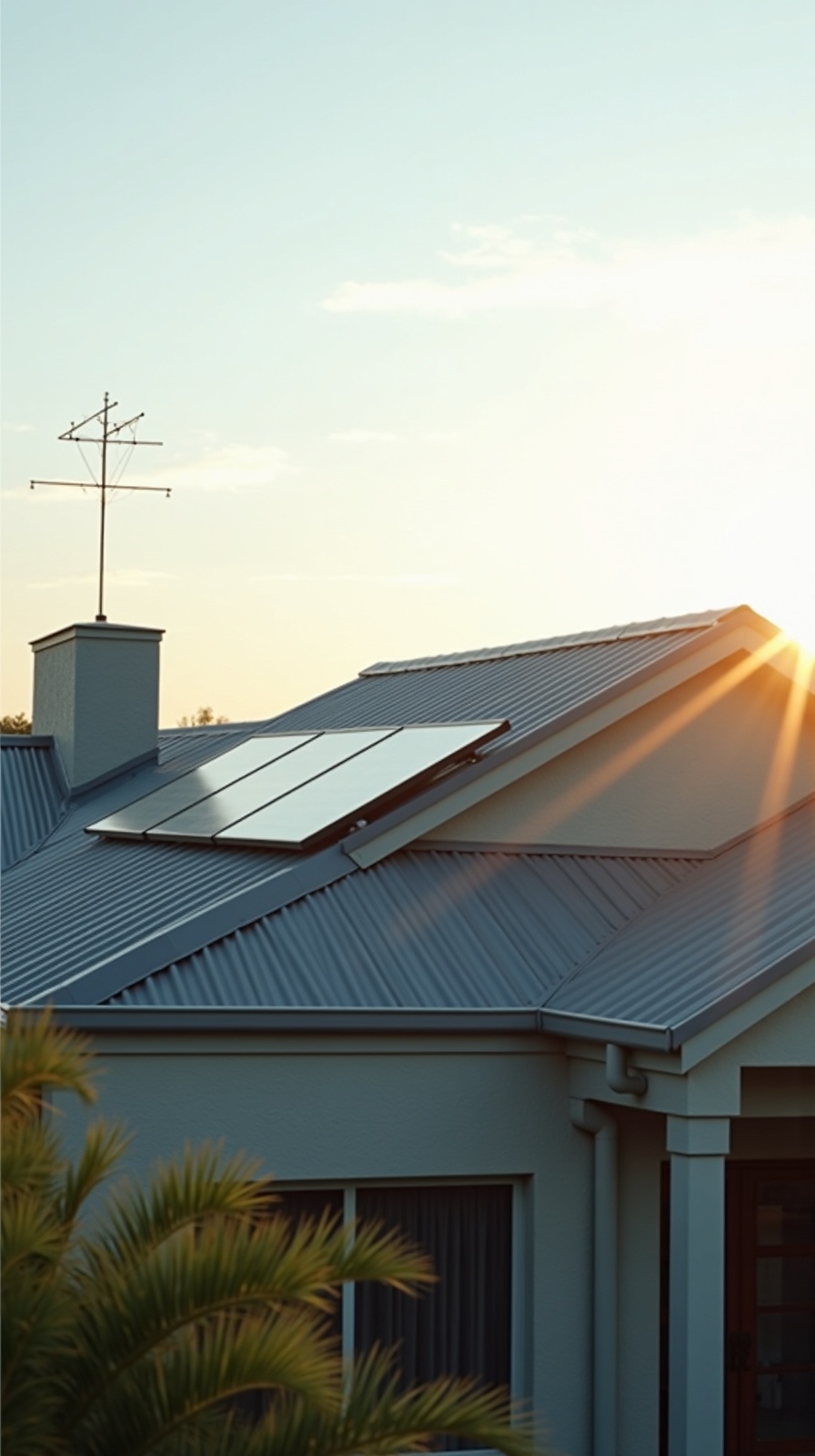

Single-Phase Versus Three-Phase Solar, Fault Differences
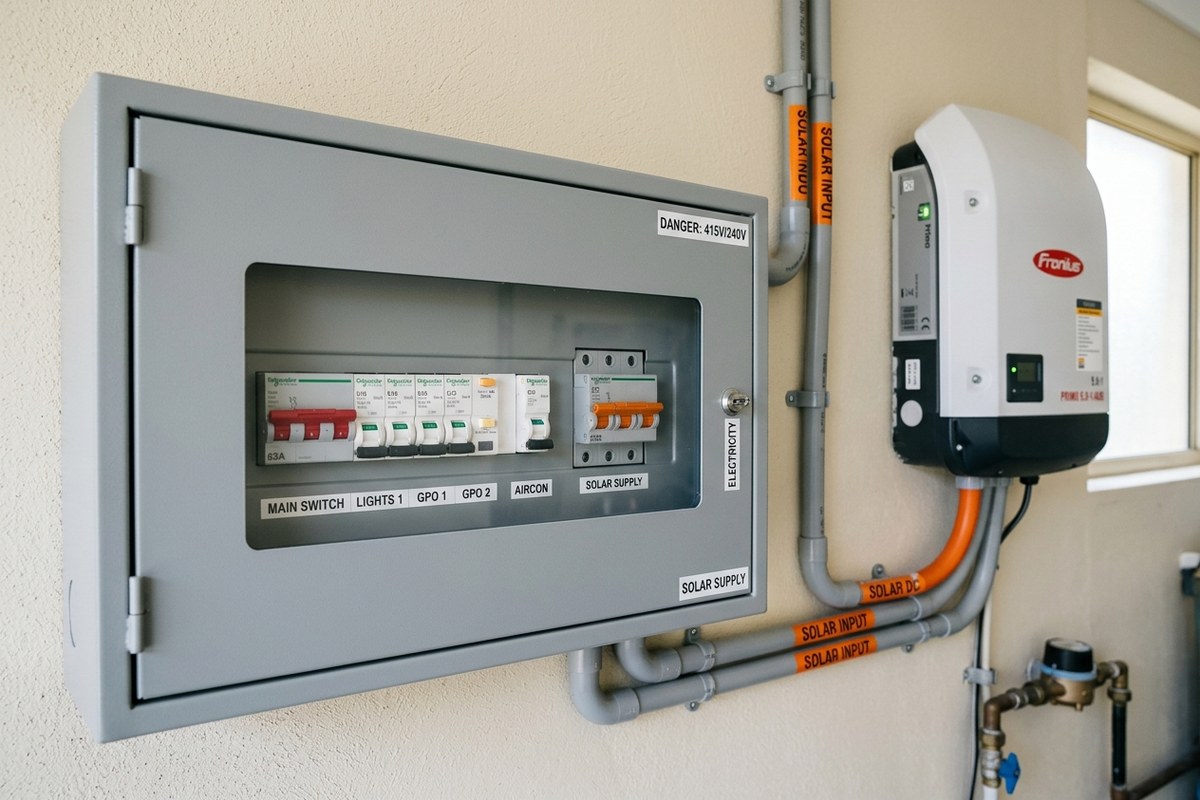
Most homeowners never think about whether their house is single-phase or three-phase until solar makes it matter. The supply type affects how a system is designed, how much it can export, and the way certain faults show up. It is not something you choose so much as something your house already has, but understanding it helps make sense of a system's behaviour and the odd fault.
The Difference in Plain Terms
Single-phase supply brings one active line into the house and is what most older and smaller homes have. Three-phase brings three, and is common in larger homes, rural properties, and anywhere with heavy electrical loads like big air conditioning, pool equipment or workshops. Three-phase can carry more power and spread load more evenly. For solar, the supply type the house already has shapes what inverter suits it and how the system connects.
How It Affects Your Solar
A single-phase home gets a single-phase inverter; a three-phase home can use a three-phase inverter that balances generation across all three lines, or in some cases a single-phase inverter on one of the phases. The choice matters because it affects export limits and balance. Network providers often allow a larger system on three-phase, and spreading solar across three phases avoids loading one line heavily. On single-phase, there can be tighter limits on system size and export in some areas.
Phase-Related Faults and Quirks
The supply type brings its own fault patterns. On three-phase systems, an issue on one phase, a fault, a loose connection, or an imbalance, can affect generation or trip protection in ways that look puzzling without understanding the phases. Voltage rise, where the grid voltage climbs and the inverter throttles back or trips to protect itself, can behave differently across phases too. A fault that seems intermittent or partial often makes sense once the phase arrangement is taken into account, which is why diagnosis considers it.
Why It Matters for Repairs
When a three-phase solar system misbehaves, knowing how it is connected across the phases is part of finding the fault. A drop in output that does not match a simple panel or inverter fault can trace to a phase imbalance or a problem on one line. An electrician diagnosing the system reads it with the supply arrangement in mind, rather than treating every fault as if the system were a simple single-phase setup. Getting that right is the difference between finding the cause and chasing the wrong one.
Changing Supply for Solar
Occasionally a home is upgraded from single-phase to three-phase, sometimes to support a larger solar system, a battery, EV charging, or heavy loads. It is a significant piece of electrical work involving the network, not a quick change, and it is only worth it where the wider electrical needs justify it. For most homes the existing supply is simply worked with rather than changed. Whether it is ever worth upgrading is a question to weigh against everything the household needs, not solar alone.
Frequently Asked Questions
How do I know if my home is single or three-phase?
It shows at the switchboard, the number of main supply conductors and the main switch arrangement indicate it. An electrician can confirm it at a glance, and it determines what solar setup suits the house.
Is three-phase better for solar?
It allows a larger system in many areas and spreads generation across three lines, which helps with balance and export limits. Single-phase is perfectly fine for typical home systems, just sometimes more limited in size.
Can a phase problem cause solar faults?
Yes. On three-phase systems, a fault or imbalance on one phase can affect generation or trip protection in ways that puzzle without understanding the phases. Diagnosis takes the phase arrangement into account.
Should I upgrade to three-phase for solar?
Rarely for solar alone. It is significant electrical work involving the network, worth it only where wider needs, a battery, EV charging or heavy loads, justify it. Most homes work with the supply they have.
Unsure What Your Supply Means for Solar?
Single-phase or three-phase changes how a system behaves and faults. We can check yours and explain it straight. Chat with our team across the Central Coast.