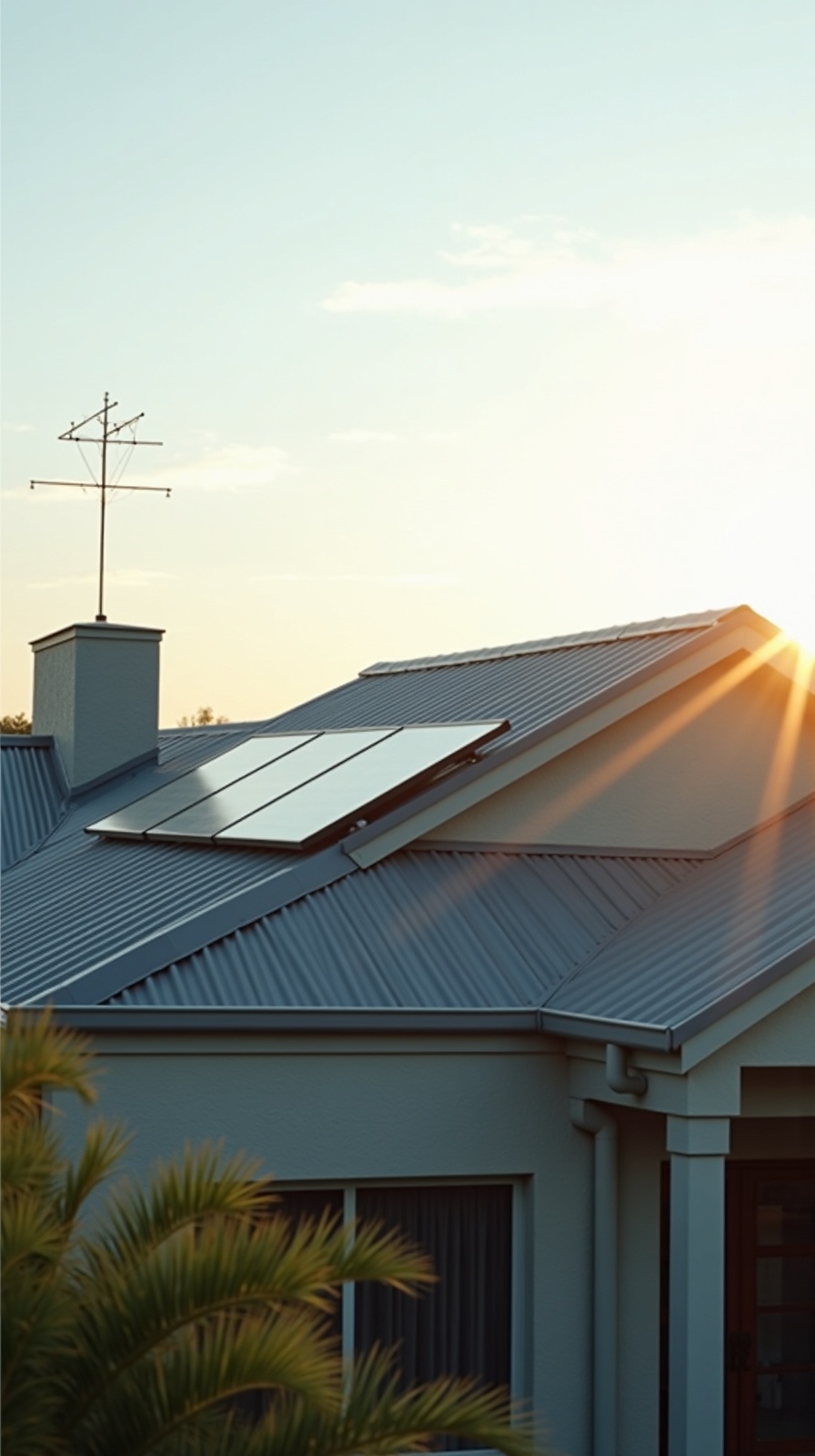

Why Solar Shuts Down During a Blackout and How to Restore It
The first time it happens it feels wrong: the power goes out, and the solar system on the roof, the one you bought partly for moments like this, goes out with it, even in bright sunshine. It is not a fault. It is the system doing exactly what the rules require. But understanding why helps, and knowing when a system should have come back but did not is what separates normal behaviour from a real problem.
Why Solar Switches Off in a Blackout
A standard grid-connected solar system is required to shut down when the grid goes down. The reason is safety: if the system kept feeding power into the network during an outage, it could energise lines that workers and others believe are dead. This protective behaviour is called anti-islanding, and every compliant grid-connected inverter does it. So a normal solar system without a battery cannot power your home during a blackout, by design, the panels could be flooded with sun and the house still goes dark.
Coming Back After the Grid Returns
When the grid comes back, the inverter waits a short, deliberate period to confirm the supply is stable, then restarts on its own and resumes generating. In most cases this is automatic and the owner never has to do anything, the system was off for the outage and is back a few minutes after the power returns. That waiting period is normal and built in; a system that takes a little while to wake up after an outage is behaving correctly.
When It Does Not Come Back
Sometimes the grid returns but the solar stays dark. This is where it stops being normal. An outage, especially one with surges or repeated interruptions, can trip the system in a way it does not recover from, throw a fault code, or in some cases damage the inverter. If your system has not resumed generating well after the power is back and stable, it is no longer just waiting, something is keeping it offline, and it needs looking at.
What Keeps a System Down
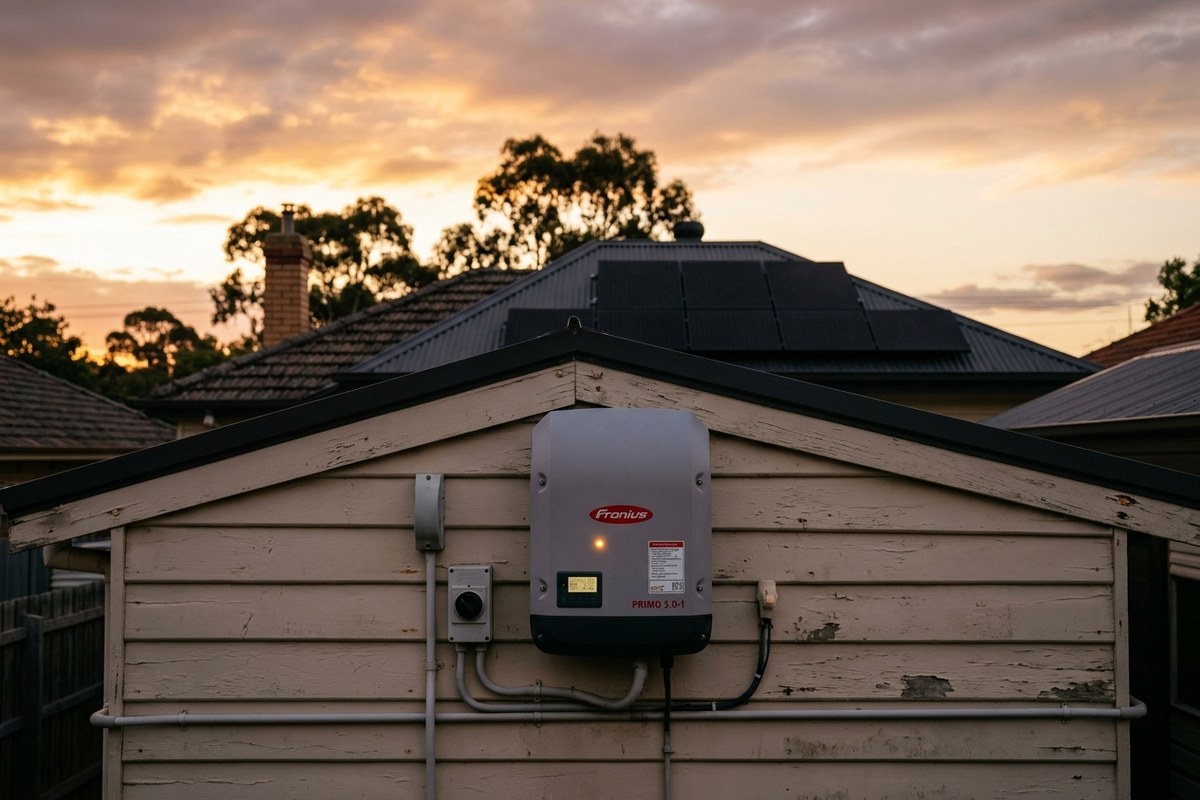
The usual causes are a tripped isolator or breaker that has not reset, a fault code the inverter is holding, a communications dropout that makes the system look dead when it is only offline from the monitoring, or actual surge damage from the outage. Telling these apart is straightforward for an electrician: some are a simple safe reset, others are a genuine repair. What matters is not leaving a system dark on the assumption it will sort itself out, because every day down is generation lost.
If You Want Power During Outages
The only way for solar to run your home during a blackout is with a battery specified and wired for backup. A standard system, however large, cannot do it because of the anti-islanding rule. If riding out outages matters to you, and on parts of the Coast it does, that is a battery-with-backup conversation, designed deliberately. Without it, the system simply rejoins the grid when the grid returns.
Frequently Asked Questions
Why does my solar go off when the power does?
By design. A grid-connected system must shut down in an outage so it cannot energise lines that may be worked on. This anti-islanding behaviour is a safety requirement, not a fault.
How long should it take to restart after a blackout?
Usually a few minutes after stable grid power returns, the inverter waits to confirm the supply before resuming. A short delay is normal; staying dark well after the power is back is not.
My solar did not come back on, what now?
Something is holding it offline: a tripped isolator, a fault code, a communications dropout, or surge damage. An electrician can tell which and either safely reset it or repair it. It should not be left dark.
Can I use my solar to power the house during an outage?
Only with a battery specified and wired for backup. A standard grid-connected system cannot, regardless of size, because of the anti-islanding requirement.
Solar Did Not Come Back After the Last Outage?
Most systems restart on their own, but some need a hand. If yours has stayed dark since a blackout, we can find out why. Chat with our team across the Central Coast.