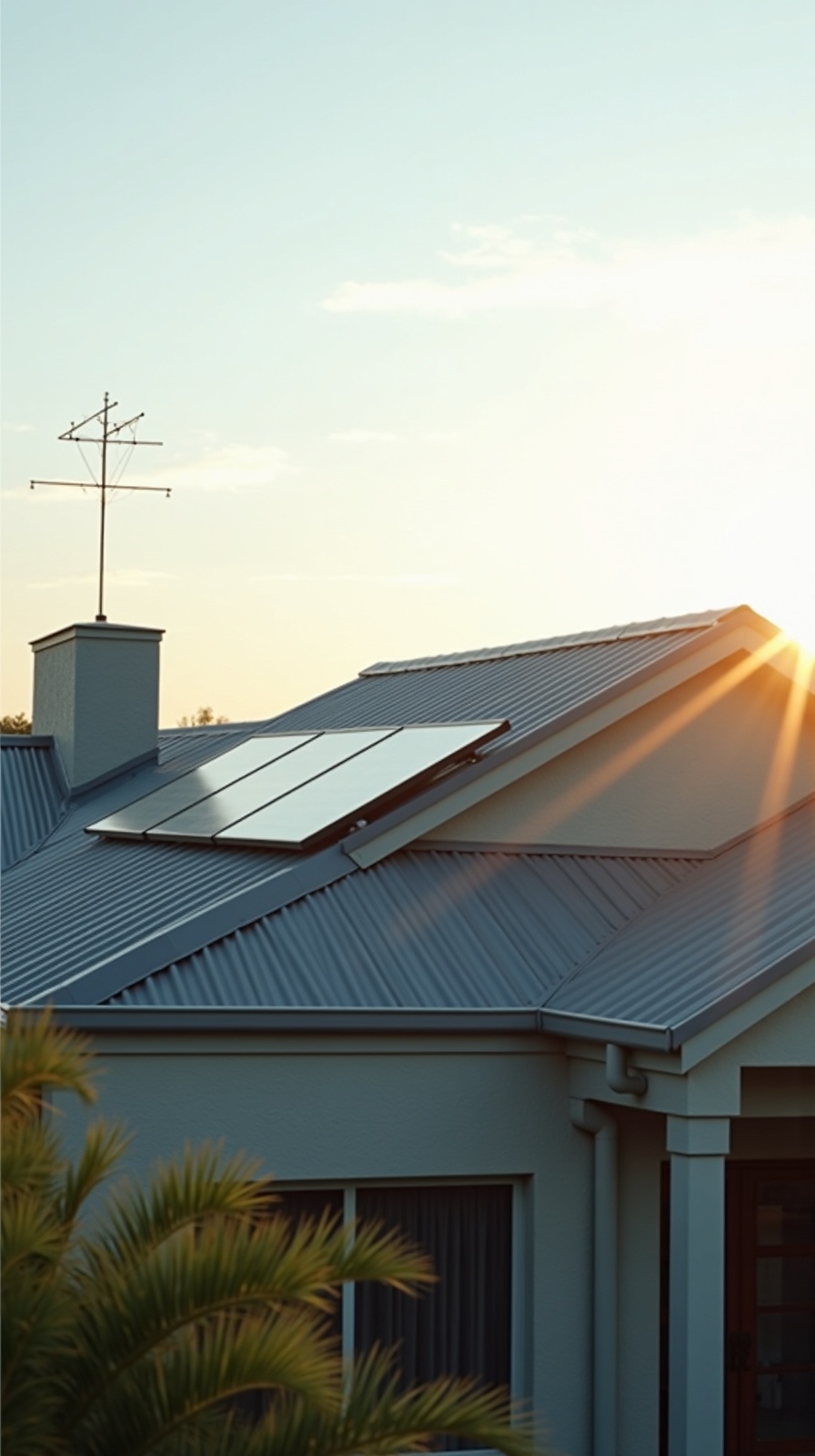

Solar Electrical Safety and Compliance Checks on the Central Coast
A solar system is electrical infrastructure on your roof, carrying live DC voltage every daylight hour for twenty years or more. Most of the attention goes to how much power it makes, but the part that matters just as much is whether it is still safe, and on older systems, that is not a given. The electrical side of solar is where the real risk sits, and it is the part only a licensed electrician should ever touch.
The Rooftop Isolator Problem
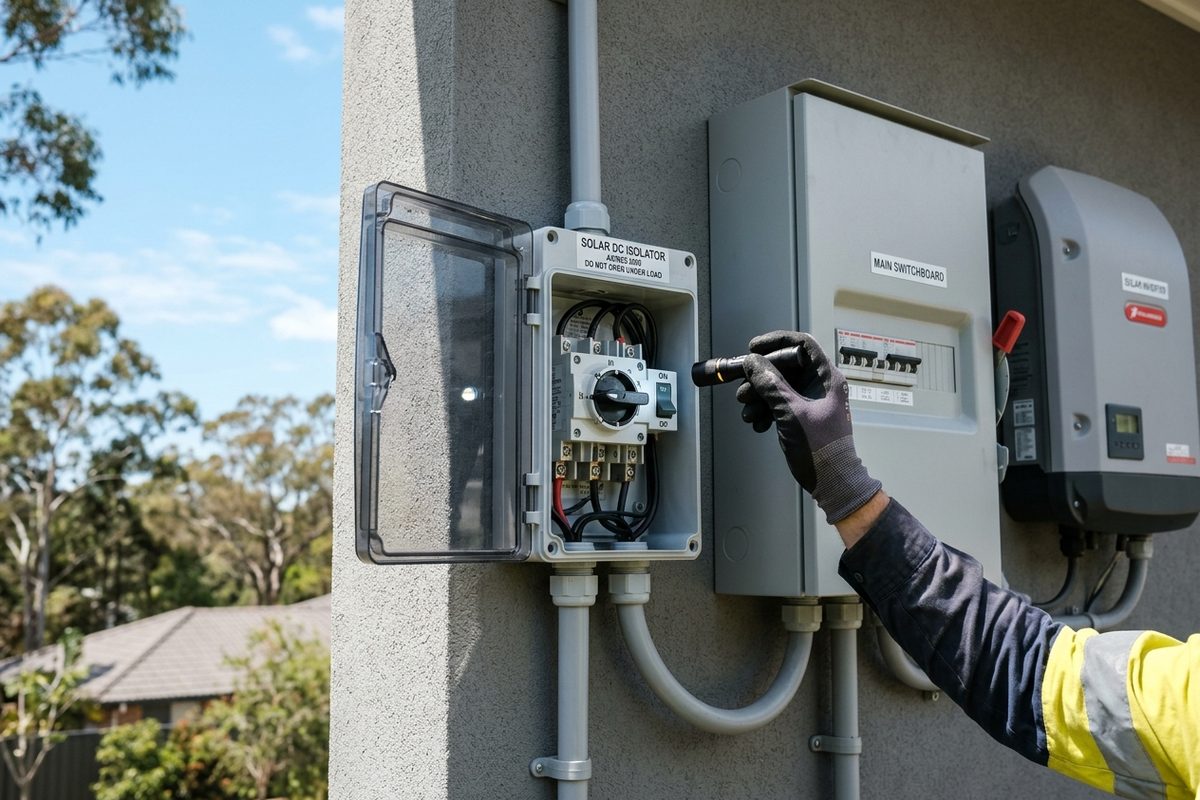
The DC isolator is the switch up on the roof that lets the system be shut down safely. It is also one of the most troubled components in Australian solar history. Many early isolators were not built to survive years of harsh sun and weather, and degraded units have been a recognised cause of solar faults and, in the worst cases, rooftop fires. A cracked seal lets water in; water and live DC do not mix. Checking and replacing tired isolators is one of the single most important safety jobs on any older system.
Connectors and Cabling
The plug-and-socket DC connectors that join panels and strings are another weak point. Mismatched or poorly fitted connectors, or ones that have weathered for a decade, can develop high-resistance joints that heat up under load. Cabling that has lost its weatherproofing, sagged onto a hot roof, or been chewed by pests carries the same risk. None of this is visible from the ground, which is why a close inspection of the array is part of any genuine safety check.
The Switchboard and AC Side
Inside the house, the system ties into the switchboard, and that connection has to meet current standards. On older installs the board itself may be tired, the solar circuit may lack proper protection, or labelling may be missing or wrong, which matters when anyone needs to safely isolate the system in a hurry. A compliance check looks at the whole path from the panels to the board, not just the gear on the roof.
Why This Is Licensed Work
There is a clear line here. Cleaning the face of a panel is one thing; anything on the DC side, the connectors, the isolators, the inverter wiring or the switchboard is licensed electrical work, full stop. A solar array can deliver a dangerous shock even on an overcast day, and the consequences of getting it wrong are severe. This is not a job for a handyman or a keen owner, legally and practically, it belongs to a licensed electrician who works on solar.
When to Get a Safety Check
Any system more than about ten years old is worth a safety inspection, as is any system bought with a house where the history is unknown, any system that has had water ingress or storm exposure, and any system showing heat marks, tripping, or burning smells. Catching a degraded isolator or a heat-damaged connector before it fails is the difference between a planned repair and an emergency on the roof.
Frequently Asked Questions
Why are rooftop isolators such a known problem?
Many early isolators were not durable enough for Australian roof conditions and degrade with sun and weather. A degraded isolator can let water in around live DC and has been linked to faults and rooftop fires, which is why checking and replacing them matters.
Can a handyman work on the electrical side of solar?
No. The DC side, connectors, isolators, inverter wiring and switchboard are licensed electrical work, and the array holds dangerous voltage in daylight. Only a licensed electrician should work on it, both legally and for safety.
How do I know if my system is unsafe?
Warning signs include tripping, burning smells, heat marks or discolouration on connectors or the isolator, and water ingress after storms. Many faults show no obvious symptom, though, which is why an inspection is the only reliable way to know.
Does an older system have to be made compliant?
A system installed to the standards of its day is not automatically unsafe, but ageing components and any new work must meet current rules. A check identifies what needs attention to keep the system safe and compliant.
Worried About the Safety of an Older System?
Rooftop isolators and DC connectors are the known weak points in ageing solar. A licensed electrician can inspect the electrical side and make it safe. Chat with our team to book a check.