

Solar Inverter Fault Codes and Warning Lights Explained
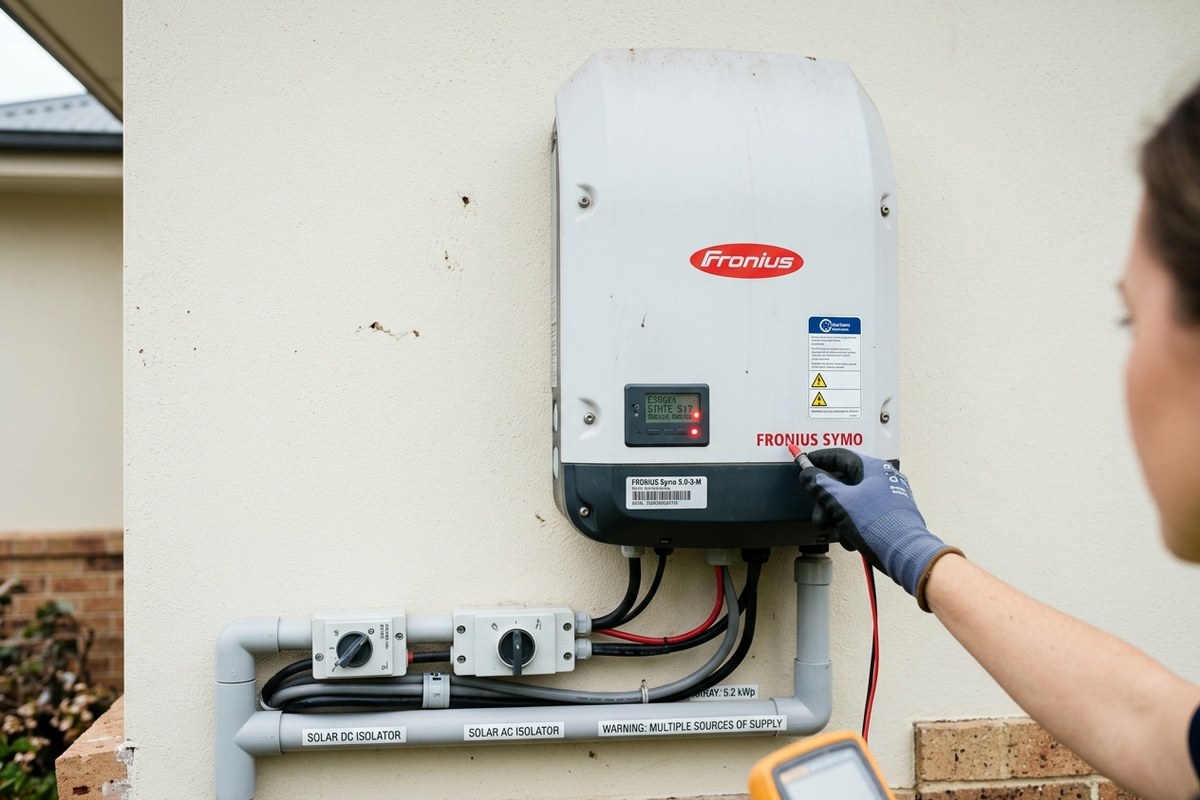
An inverter showing a red light or a code on its screen is alarming, mostly because it arrives with no explanation. Some codes clear themselves within minutes and mean nothing; others flag a genuine fault that is costing generation or, occasionally, signalling a safety issue. The trick is knowing which is which without panicking or, worse, ignoring something that matters.
Why Inverters Throw Codes
An inverter sits between your panels and both your home and the grid, and it constantly checks conditions on all sides. When something falls outside its safe operating window, a grid voltage swing, a problem on the DC side, overheating, or an internal fault, it stops and reports a code rather than carrying on regardless. That is the inverter doing its job. The code is its way of saying why it has paused, and reading it correctly is the start of any diagnosis.
Codes That Often Clear Themselves
A large share of inverter codes relate to the grid, not your system. If the mains voltage rises too high or the supply hiccups, the inverter shuts down to protect itself and the network, then restarts on its own once conditions settle. These grid-protection events can happen more on hot afternoons or in areas with a stretched supply, and a single occurrence that clears itself usually needs no action. A pattern of them, though, is worth raising with your electrician and sometimes your network provider.
Codes Worth Acting On
Other codes point at the system itself: an insulation or earth fault on the DC side, a persistent overtemperature, a string reading wrong, or an internal hardware fault. These do not clear by restarting, the system stays offline or keeps tripping, and they are costing you generation every day they persist. An insulation fault in particular can indicate water ingress or damaged cabling, which is a safety matter, not just a performance one. A code that keeps coming back is the system telling you it needs attention.
What to Do When You See One
Note the brand of the inverter and the exact code or light pattern, and check whether the system comes back on by itself or stays down. Resist the urge to keep switching it off and on repeatedly, which tells you little and can mask the pattern. With the brand and the code, an electrician can usually tell you straight away whether it is a routine grid event to watch or a fault to investigate, and what it is likely to involve.
Why Not Just Ignore It?
Because some codes are safety codes, and a system that keeps tripping is not making power. An insulation fault wired to your switchboard is not something to leave running on hope. Even a performance code left alone is quietly costing money. Reading the code and getting a quick opinion is cheap; ignoring a real fault is not.
Frequently Asked Questions
My inverter shut down then came back on, is that a problem?
Often not. A self-clearing shutdown is usually a grid-protection event, where the inverter pauses for a voltage or supply hiccup and restarts on its own. A one-off is normal; a repeating pattern is worth raising.
What does a red light on the inverter mean?
It depends on the brand and the pattern, but a steady fault light generally means the system has stopped for a reason it is reporting. Note the code or pattern and the brand so it can be interpreted properly.
Can I clear a fault code myself?
You can safely note it and see whether the system restarts, but you should not start opening the inverter or working on the wiring. If a code persists, it needs a licensed electrician, not a reset and hope.
Is a fault code always serious?
No. Many are routine grid events that clear themselves. The ones that matter are those that persist, keep the system offline, or point to a DC or insulation fault, which is exactly why the specific code matters.
Inverter Showing a Code You Do Not Recognise?
Tell us the brand and the code or light pattern and we will tell you whether it is one to watch or one to look at. Chat with our team for a free assessment across the Central Coast.