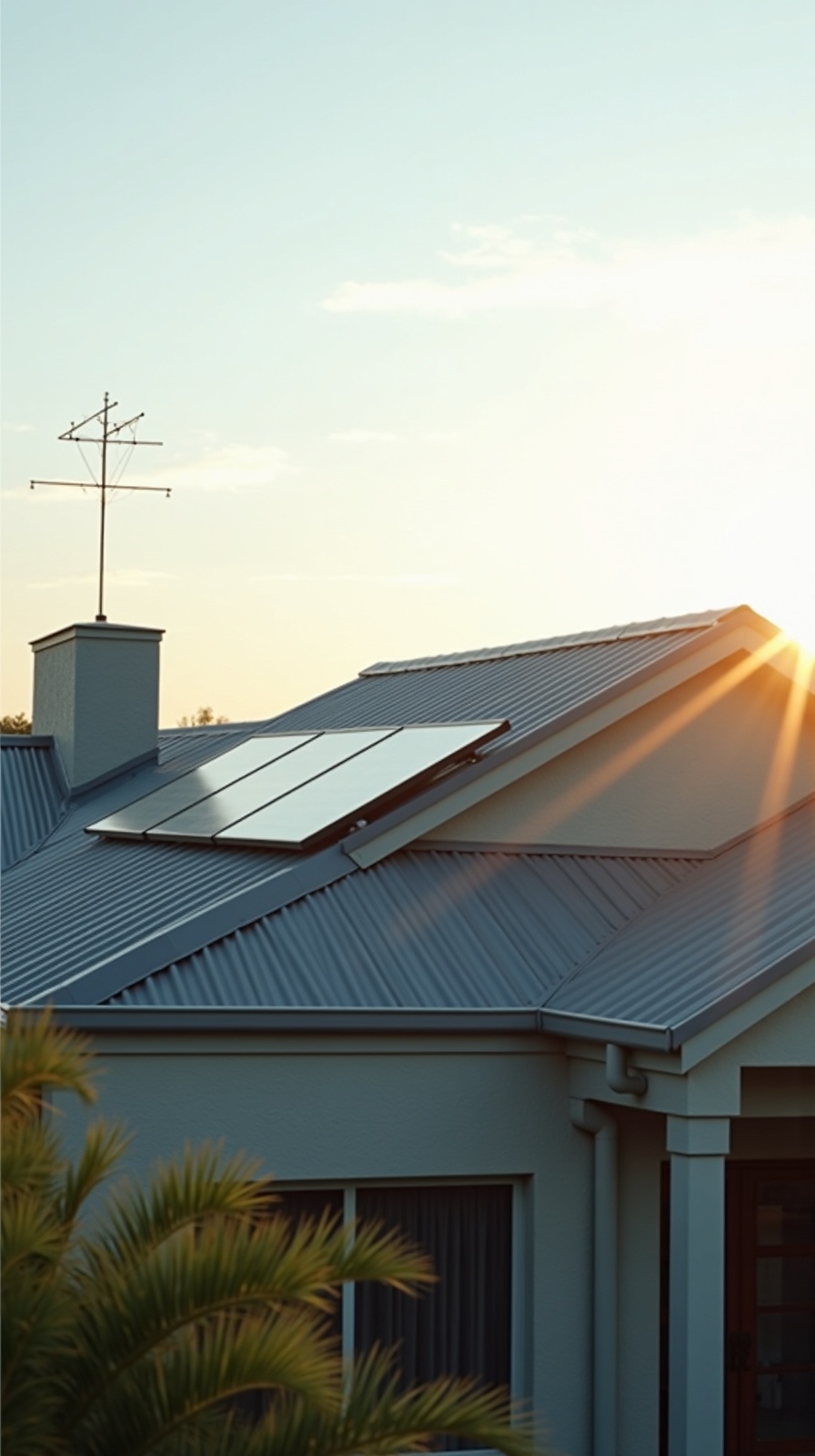

Solar Inverter Replacement and Repair on the Central Coast
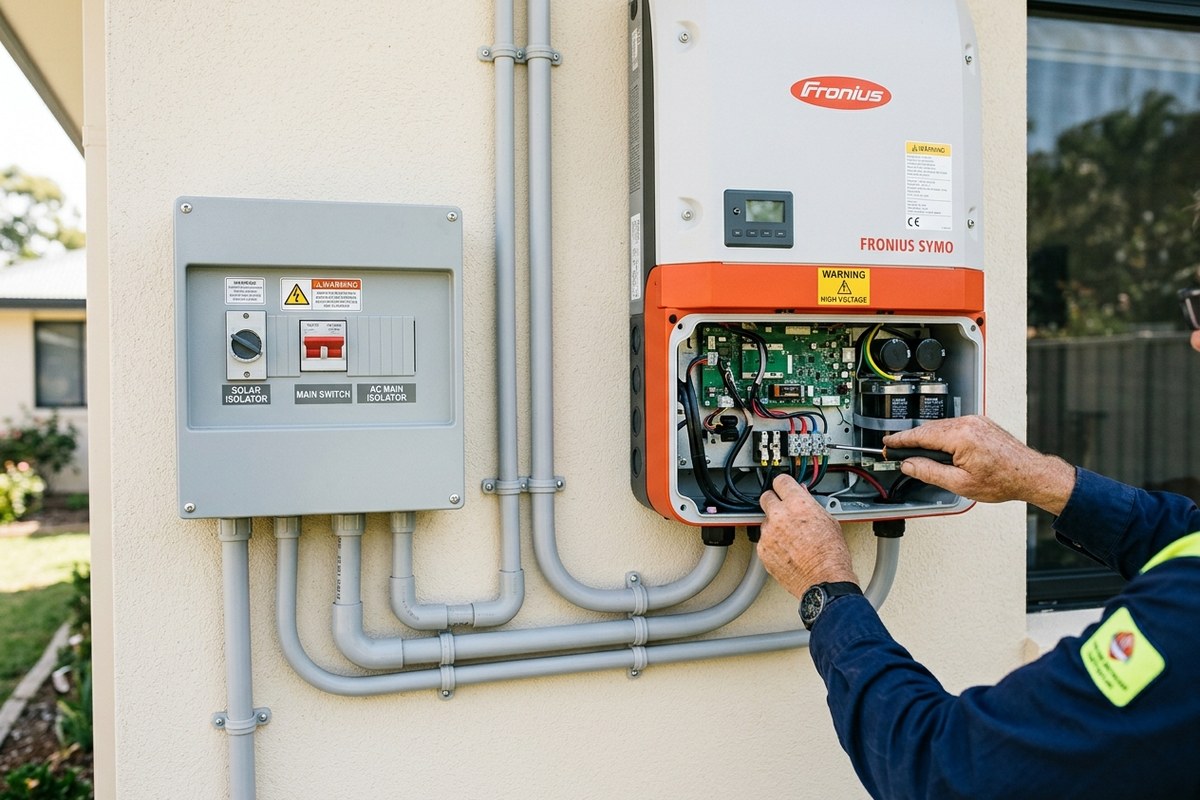
The inverter is the brain of a solar system, it turns the DC power the panels make into the AC power the house uses, and it manages everything in between. It is also the hardest-working component on the wall, and the one most likely to fail first. Panels can run for decades; inverters are built on the understanding they will be repaired or replaced somewhere in the middle of a system's life. When yours starts playing up, the question is whether it is a repair or a replacement, and the answer is not always the obvious one.
The Signs an Inverter Is in Trouble
Inverters rarely fail silently. The tell-tale signs are fault codes or warning lights on the unit, the system dropping offline repeatedly, a noticeable fall in generation, or strange noises and heat from a unit that used to run quietly. An older inverter that the manufacturer no longer supports with parts or firmware is also living on borrowed time. Any of these is worth looking at before a small fault becomes a dead unit in the middle of summer.
Repair or Replace?
Not every inverter fault means a new inverter. Some faults are external, a tripped isolator, a grid issue, a loose connection, and the inverter itself is fine once the real cause is fixed. Some internal faults are repairable, particularly on newer units still under warranty with parts available. But an older unit, out of warranty, with no parts support and a major internal failure, is usually not worth chasing. A straight assessment tells you which situation you are in rather than defaulting to the most expensive option.
Matching a New Inverter to Your Panels
When replacement is the right call, the new inverter has to suit the array already on your roof. An inverter that is too small for the panels clips output on bright days, leaving generation on the table; one too large means paying for capacity the panels will never feed. The replacement is sized to the existing array, and if your plans have changed, a battery or an EV on the horizon, that is the moment to consider a hybrid inverter so the system is ready for it.
What Happens During a Replacement
A like-for-like inverter swap is a contained job. The DC side is isolated safely, the old unit is removed, the new inverter is mounted, wired and commissioned, and the system is tested and certified. Where the original went in years ago, the replacement is brought up to current standards, which can mean small additions to isolation or labelling. A good electrician explains any of that upfront so the invoice holds no surprises.
Where the Inverter Should Live
Siting matters more than people expect. An inverter mounted in a ventilated spot out of the direct western afternoon sun runs cooler and lasts longer than one baking on a north-west wall all summer. On the Coast it also wants to be away from the worst of the salt air where practical. If a replacement is going in, it is worth getting the location right at the same time, a few degrees cooler across years of operation is free life added to the hardest-working part of the system.
Frequently Asked Questions
Can a solar inverter be repaired, or is it always a replacement?
It depends on the fault and the unit. Newer inverters under warranty with parts available can sometimes be repaired; older, unsupported units with major faults usually are not worth it. The assessment tells you which, rather than assuming the dearer path.
How long do solar inverters last?
Generally well short of the panels, they carry the active electrical load every daylight hour. Many are expected to be replaced or extended under warranty partway through a system's life, which is normal rather than a sign of a bad system.
Can I change inverter type when I replace it?
Often yes, for example moving to a hybrid so a battery can be added later. Compatibility with your existing panels and switchboard is checked first, and you are told straight whether the change is worth it for your system.
Is an inverter swap something an electrician has to do?
Yes. It is electrical work on a live-capable system, with the DC isolated correctly and the new unit commissioned and certified. It is not a DIY task, done properly it is straightforward, done wrong it is dangerous.
Inverter Throwing Faults or Gone Dead?
A local licensed electrician can diagnose your inverter, repair it where it is worth it, and replace it where it is not, matched to your existing panels. Chat with our team for a free assessment.