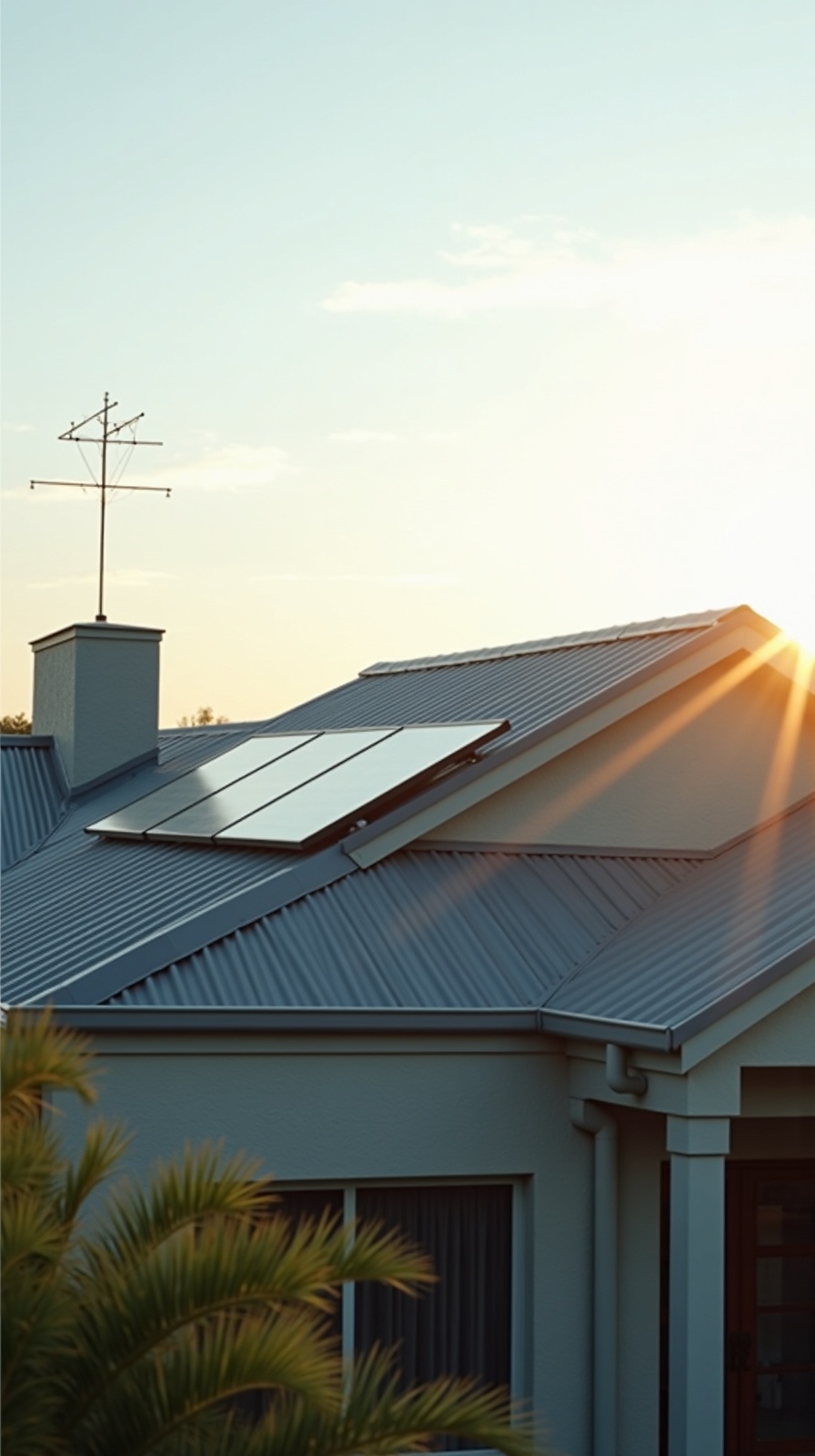

Solar Isolator Failures and Rooftop Safety in NSW
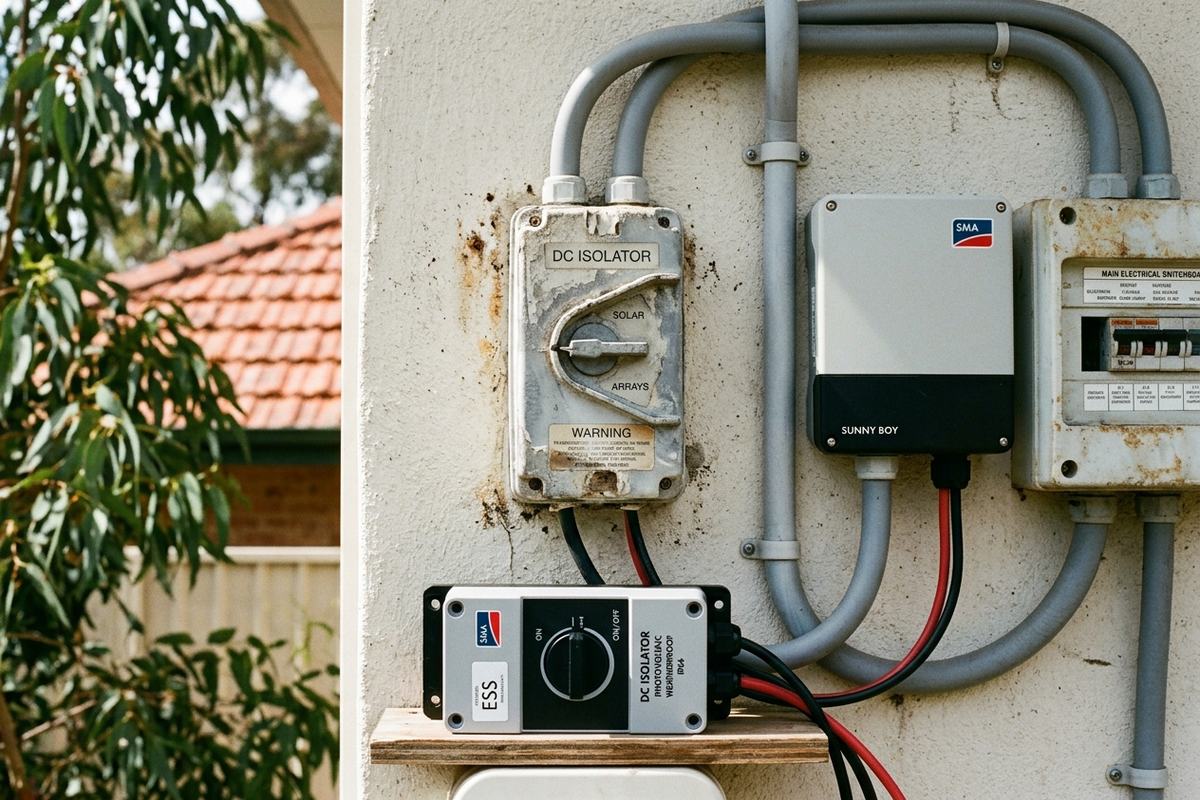
Of all the parts on a solar system, the rooftop DC isolator has the worst reputation, and it earned it. This small grey switch box, sitting up on the roof beside the panels, has been behind a disproportionate share of solar faults and rooftop fires in Australia. For anyone with an older system, it is the single component most worth understanding and checking.
What the Isolator Does
The DC isolator is a safety switch that lets the high-voltage DC side of the system be shut off at the roof, so the array can be worked on or shut down in an emergency. It is a sensible, necessary device. The problem has never been the idea, it is that many of the isolators fitted over the years were not built to survive what an Australian roof does to them, sitting in brutal sun and weather for a decade or more.
Why They Fail
Heat, ultraviolet and water are the enemies. Poorly sealed or low-quality isolator enclosures crack and let moisture in, and water around live DC terminals is exactly the combination that causes arcing, heat damage and, in the worst cases, fire. Some specific products were recalled over the years for precisely this reason. Even a sound design degrades eventually if it has baked on a roof since the system went in. The failure is usually slow and hidden until it is not.
The Risk in Plain Terms
A failing isolator can do two things, both bad. It can develop a high-resistance fault that heats up and damages the surrounding cabling and roof, and it can let the system behave unpredictably, tripping or losing a string. The fire risk is the serious end of it, and it is the reason this component gets singled out for attention rather than lumped in with general wear. It is not scaremongering; it is a known issue with a known cause.
What Can Be Done
The good news is that it is a straightforward fix in the hands of a licensed electrician. A degraded isolator is replaced with a current, properly rated and sealed unit, the cabling and glands around it are checked and made good, and the rest of the DC side is inspected while up there. On some systems, where standards now allow, the rooftop arrangement can be improved at the same time. It is a contained job that removes a real risk.
When to Have Yours Checked
Any system roughly ten years old or older is worth an isolator inspection, as is any system that has had water ingress, shows heat marks or discolouration on the roof gear, or trips for no clear reason. If you have bought a house with solar of unknown history, this is one of the first things worth checking. Replacing a tired isolator before it fails is cheap insurance against the worst-case outcome.
Frequently Asked Questions
Why are rooftop isolators singled out as a fire risk?
Because many were not durable enough for Australian roof conditions and degrade with sun and water. A cracked, water-affected isolator around live DC can arc and overheat, which has caused faults and rooftop fires, a known issue with a known cause.
How do I know if mine is failing?
Often you cannot from the ground, which is the problem. Heat marks, discolouration, water ingress after storms or unexplained tripping are warning signs, but many degrade silently, an inspection is the reliable way to know.
Can the isolator be replaced on its own?
Yes. A licensed electrician replaces the degraded unit with a current, sealed and properly rated one and checks the surrounding cabling. It is a contained job that addresses the risk directly.
My system is old but seems fine, should I still check it?
Yes. Isolator failure is often hidden until it causes a problem, so an older system seeming fine is not proof it is safe. A check is worthwhile insurance on any ageing array.
Got an Older System on the Roof?
A degraded rooftop isolator is one of the real safety risks in ageing solar. A licensed electrician can check and replace it. Chat with our team to book a safety inspection.