

Solar Meter and Tariff Problems Versus a Real System Fault
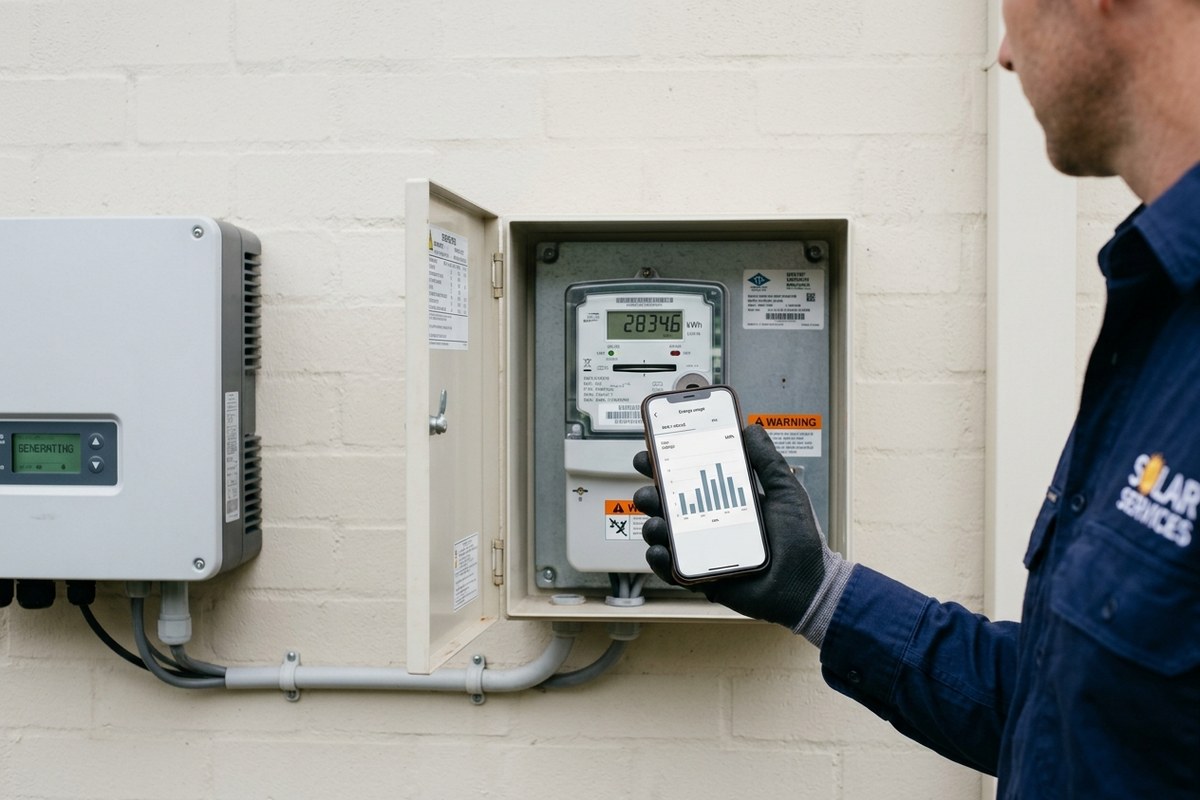
A solar owner staring at a worse-than-expected bill faces a genuine puzzle: is the system underperforming, or is the problem in the metering and billing that nobody can see from the roof? The two feel identical from the kitchen table, but they lead to completely different fixes, one is an electrician, the other a phone call to the retailer. Sorting which is which saves chasing the wrong one.
Two Very Different Problems
A system fault means the solar is making less power than it should, a tired inverter, a dirty array, a dead string. A metering or tariff problem means the system might be working perfectly, but the export is not being measured or paid for as expected, or the plan simply changed. Both show up as a disappointing bill, which is why people so often assume the panels have failed when the issue is in the billing, or vice versa.
Clues It Is the System
Point to a genuine fault when the monitoring shows generation down against the same season last year, when the inverter is throwing codes or dropping offline, when one string reads low, or when the panels are visibly dirty or shaded. These are signs the system is making less than it should, and they are what a repair addresses. If generation has clearly fallen, the cause is on the roof or at the inverter, and an electrician is the right call.
Clues It Is the Meter or Tariff
Point to a billing issue when the system is generating well but the feed-in credits have shrunk or vanished, when the change lines up with a new meter, a plan switch or a change of retailer, or when the numbers on the bill do not match what the monitoring says the system produced and exported. A meter that was not configured for export, a billing error, or simply a lower feed-in rate all sit outside the system and cannot be fixed by anyone on the roof.
How to Separate Them
The clean approach is to check generation first. If the system is producing what it should for the season, the solar is doing its job and attention moves to the meter and the bill. If generation has dropped, the problem is on the system side. An electrician can confirm the generation side quickly and tell you honestly whether you are looking at a repair or whether the next call should be to your retailer about the meter or tariff.
Why It Pays to Check First
People lose money in both directions. Some pay for a service on a perfectly healthy system when the real issue was a tariff change, and others ring the retailer repeatedly while a genuine fault quietly costs them generation. A quick, honest check of the system side settles it, so the effort goes where the problem actually is rather than where it was assumed to be.
Frequently Asked Questions
How can I tell if it is the system or the bill?
Check generation first. Good generation for the season points at a metering or tariff issue; a clear drop in generation points at a system fault. The two have different fixes, so confirming which comes first.
Could a new meter cause my feed-in to stop?
Yes. A meter not configured for export, or a setup error after a meter or retailer change, can stop export being recorded or credited even though the system is working fine.
Is a higher bill always a solar fault?
No. It can be a tariff change, a billing issue, or higher usage, with the system working perfectly. That is why checking the generation side first is worthwhile before assuming a fault.
Can an electrician fix a tariff problem?
No, tariff and billing matters are for your retailer. An electrician confirms whether the system is healthy, which tells you whether the issue is a repair or one to take up with the retailer.
Bill Up But Not Sure Why?
Sometimes it is the system, sometimes it is the meter or the plan. We can check the system side and tell you which. Chat with our team across the Central Coast.