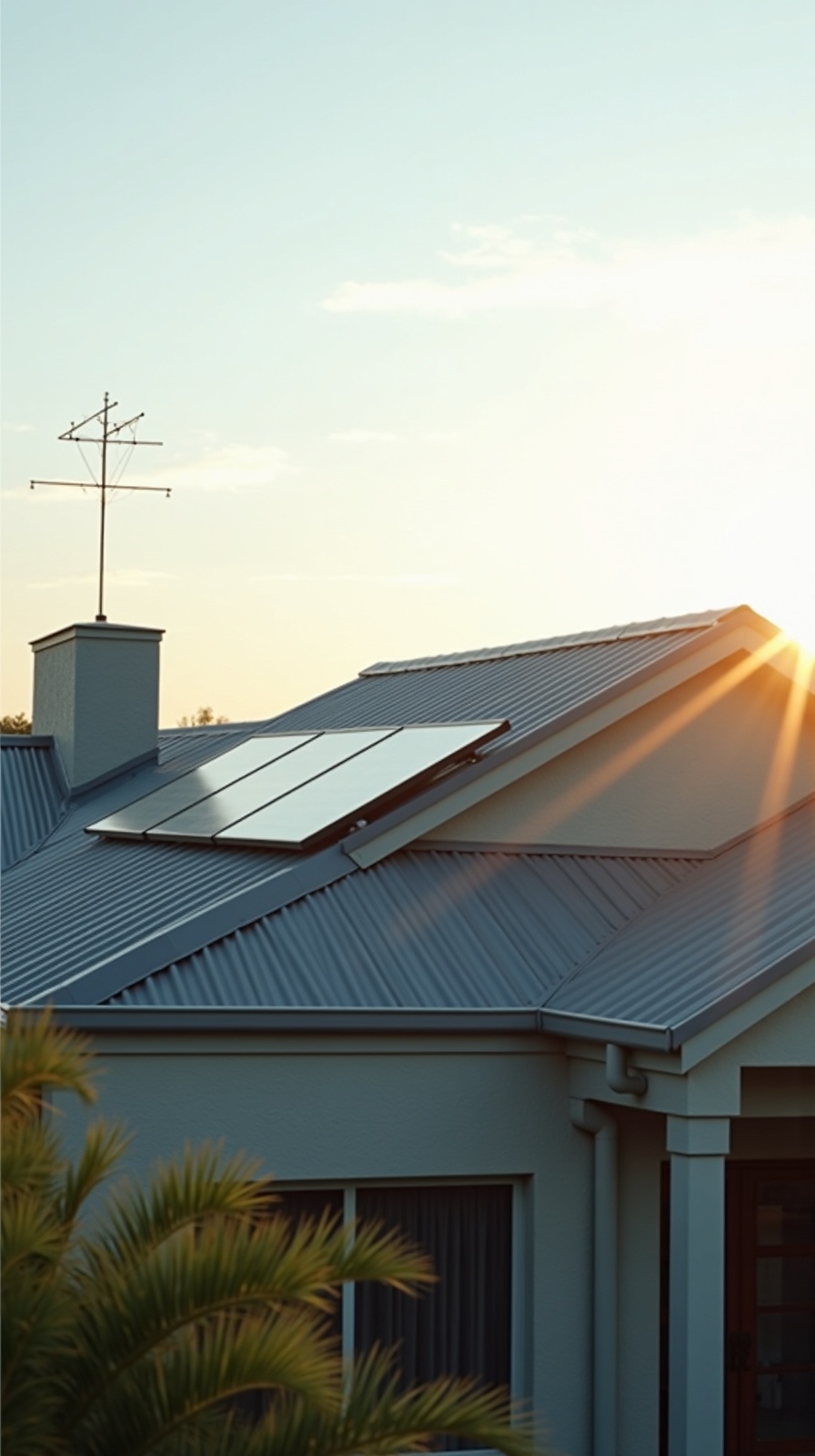

Solar Panel Cleaning and Maintenance on the Central Coast
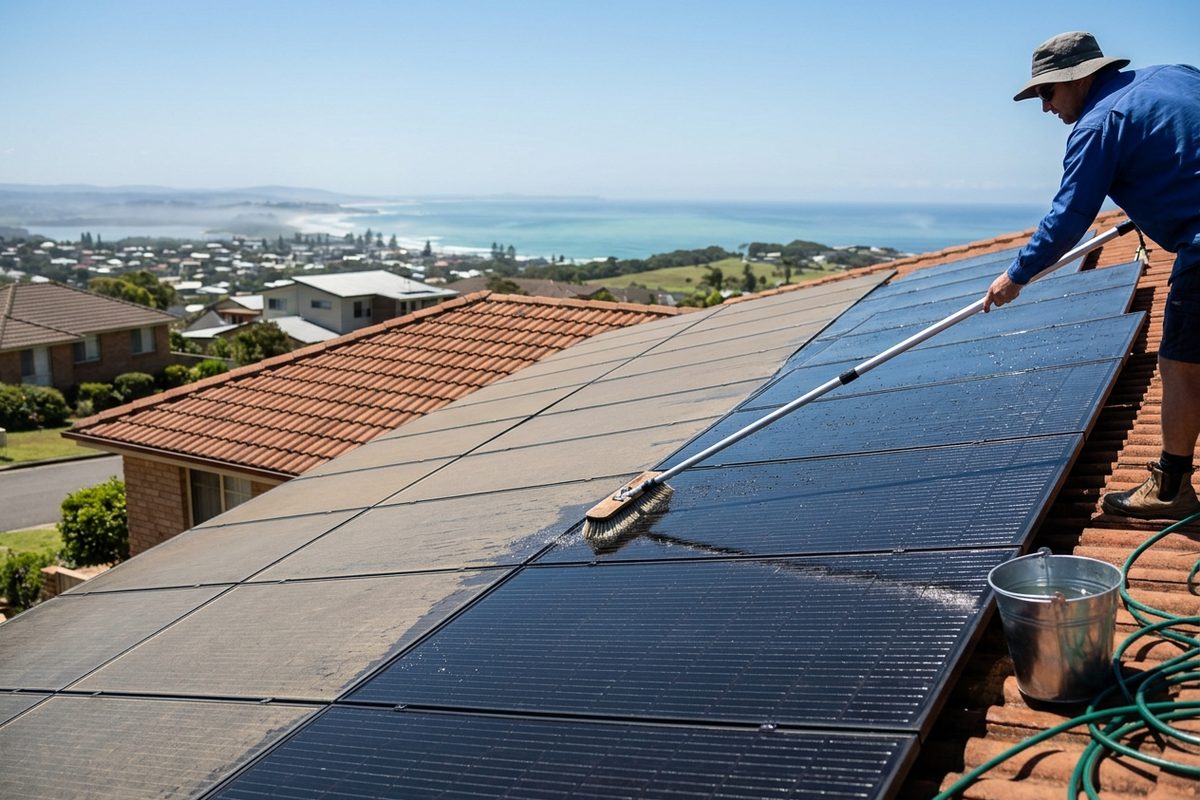
It is easy to assume rain keeps solar panels clean. On the Central Coast, it does not. Salt haze rolling in off the water, fine dust, tree pollen and bird mess build a film on the glass that a passing shower simply cannot shift, and that film sits directly between the sun and the cells doing the work. The result is a system slowly making less than it should, with nothing on the roof to tell the owner it is happening.
Why Coastal Panels Get Dirty Faster
Homes near the water deal with something inland homes do not: a constant fine layer of airborne salt. Salt is sticky and hygroscopic, so it holds dust and grime against the glass rather than letting it wash away. Add the pollen off gum trees and the mess from birds that like to perch on the array, and a coastal roof builds a stubborn film far quicker than a sheltered one. The closer to the beach, the faster it happens.
What a Dirty Array Costs You
Even a thin, even film cuts output measurably, and patchy soiling is worse, a streak of bird mess across part of a panel can act like shading and drag down more than its own little patch. Across a full system the loss adds up quietly, month after month, until the owner is buying grid power to make up for generation sitting under a layer of grime. Because it builds gradually, almost nobody notices until the panels are cleaned and the numbers jump.
Why a Hose Is Not the Answer
Cleaning solar panels properly is not a job for a garden hose and a stiff broom. Panels need the right water, soft tools and a technique that lifts the film without scratching the glass or stressing the seals, and the work happens on a roof around live electrical equipment. Harsh cleaning, the wrong water, or walking on panels can do more damage than the dirt. A professional clean uses the right gear and access, and inspects the array while up there.
Cleaning and Inspection Together
The real value in a professional clean is that it doubles as an inspection. Up on the roof with the array in clear view, it is the perfect moment to check the mounting, the connectors, the isolator and the general condition of the panels, catching a developing fault while attending to the grime. A clean restores output; the look-over while doing it can save a far bigger problem down the track.
How Often the Coast Needs It
There is no single answer, it depends on how close to the water the home sits, how many trees overhang it, and how much bird traffic the roof gets. A home a street back from the beach under gum trees needs cleaning more often than one inland with a clear roof. As a rule, a coastal system benefits from a check and clean as part of a periodic service rather than being left until output has obviously collapsed.
Frequently Asked Questions
Does rain not clean the panels for me?
Not on the coast. Salt holds dust and grime against the glass, and rain leaves a film behind rather than washing it clear. Panels near the water need a proper clean that rain cannot replace.
How much output can a clean bring back?
It varies with how dirty the array is, but the jump after a proper clean is often surprising, especially where bird mess or heavy salt film has built up. Owners are regularly caught out by how much they had quietly lost.
Can I clean the panels myself?
It is risky. Roof access, live electrical gear, and the chance of scratching the glass or stressing seals make it a job better left to someone with the right tools and training. The face of a panel is one thing; the electrical side is strictly an electrician's work.
Is cleaning worth doing on its own?
It is most worthwhile combined with an inspection, so the visit both restores output and checks the system's condition. A clean alone helps; a clean plus a look-over catches problems while someone is already up there.
Panels Looking Tired and Output Down?
Coastal salt, dust and bird mess build a film that rain will not shift. A safe professional clean often recovers output you did not know you had lost. Chat with our team to book one.