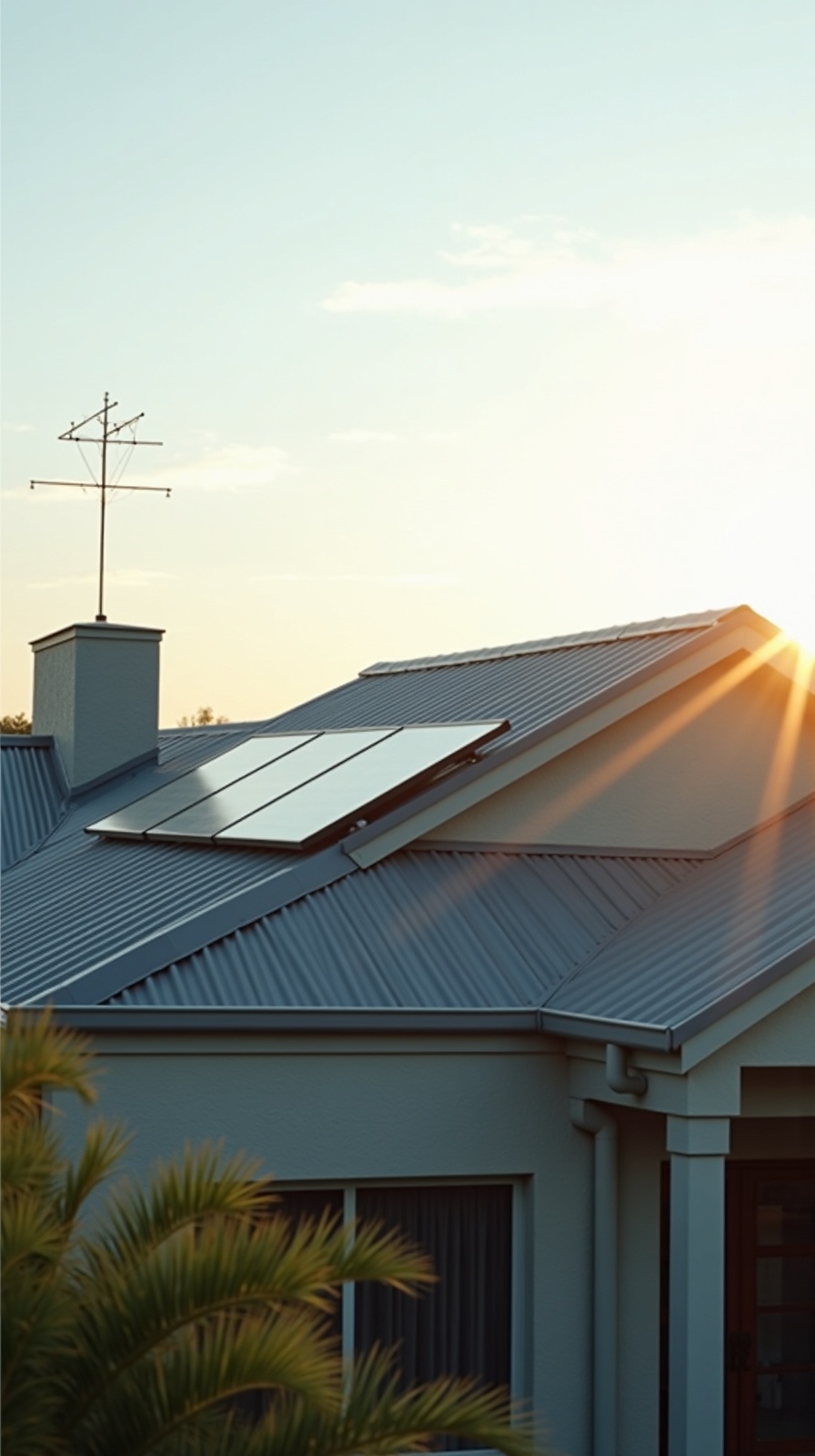

Solar Panel Repairs and Fault-Finding on the Central Coast
When a solar system stops pulling its weight, the hardest part is rarely the repair itself, it is working out what has actually gone wrong. A system that was making good power a year ago and now barely registers could be a single failed connector, a tired inverter, a dirty array, or a fault no one can see from the ground. Chasing the wrong cause wastes money; finding the real one is the whole job.
What Dropping Output Usually Means
Solar systems do not fail in one dramatic moment most of the time. They drift. Output falls a little, the evening bill creeps back up, and by the time anyone notices, the system has been underperforming for months. The common causes sit in a short list: an ageing or faulted inverter, a rooftop isolator that has degraded, soiled or shaded panels, a dead string from a failed connector, or a system that was simply too small for how the household now uses power. Each one looks different on a meter, which is exactly why a methodical check beats a guess.
How a Proper Fault-Find Works
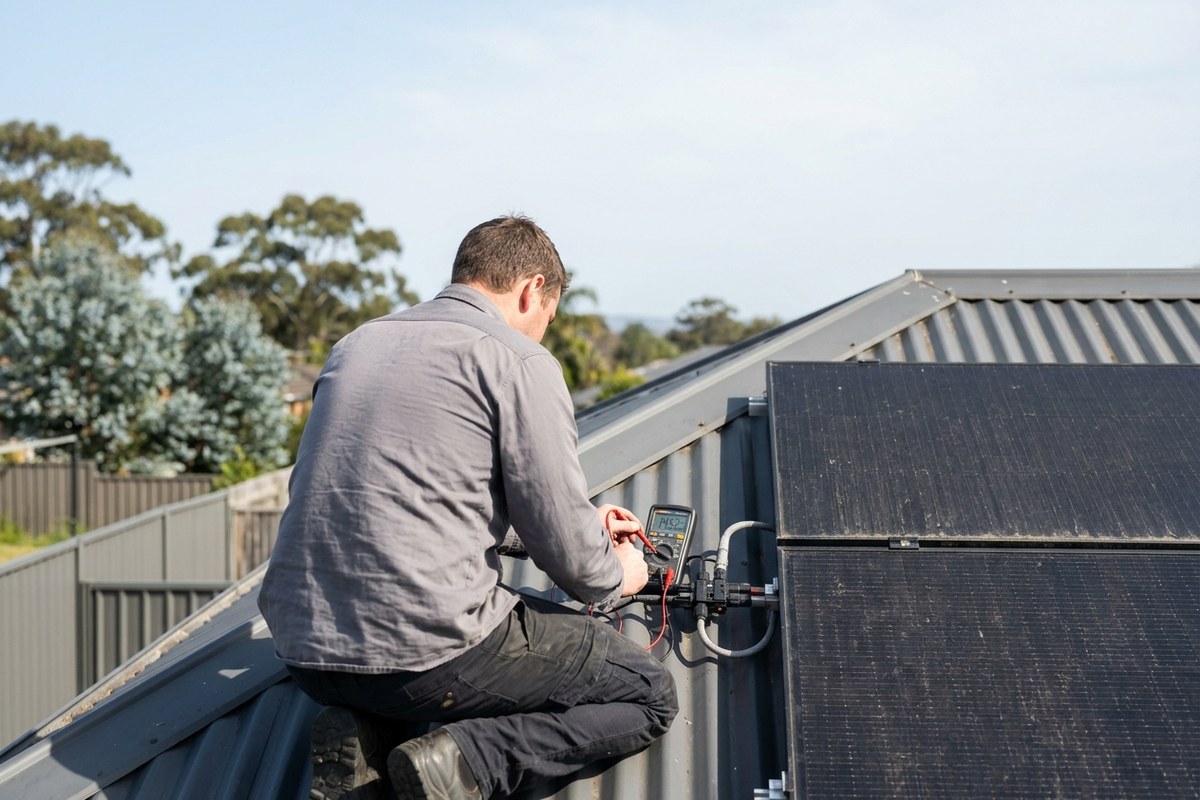
A good diagnosis starts at the inverter, where the system reports what it is doing, then works outward. The inverter display and monitoring data show whether the whole system is down or just one part of it. From there, the DC strings are tested individually so a single dead run can be separated from a healthy one. Voltage and current readings across the array tell whether the panels are producing what they should, and a closer look at the rooftop isolator, the connectors and the cabling finds the physical fault behind the numbers.
The Faults We See Most on the Coast
Connectors are a frequent culprit. The plug-and-socket fittings that join panels and strings are exposed to years of sun, heat and salt air, and a poor or corroded connection can quietly take a whole string offline. Rooftop isolators are another, early ones were not always built for Australian conditions and degrade with weather. Add coastal salt film on the panels and the odd inverter fault, and most Central Coast repairs come back to one of these handful of causes.
Why Guessing Is Expensive
The temptation, when output drops, is to assume the worst and replace the inverter or the whole system. Sometimes that is the answer. Often it is not. A dead string caused by one failed connector does not need a new inverter, and a system pulled down by salt film does not need new panels, it needs a clean. Testing first means you only pay for the part that has actually failed, not for a guess that leaves the real fault in place.
What You Get at the End
The point of a fault-find is a straight answer: what is wrong, why, and what it takes to put it right. That might be a connector repair, an isolator replacement, a clean, an inverter swap, or a combination. A repair-first approach fixes what is fixable before anyone talks about replacement, and you should expect the reasoning explained rather than just a number on a quote. A system that has been properly diagnosed comes back online doing what it was built to do.
Frequently Asked Questions
How do you tell whether it is the panels or the inverter?
The inverter reports faults and the monitoring data shows whether the whole system or one string is affected. Testing the DC side panel by panel separates a panel or connector fault from an inverter fault, so the problem is isolated rather than assumed.
Can a single faulty panel drag down the rest?
On a string inverter system, yes, panels on a string work together, so one failed connector or shaded panel can pull down the whole run. Finding which one is the job; a meter on the string shows where the loss starts.
Is it safe to investigate a solar fault myself?
No. A solar array holds a live DC voltage whenever there is daylight, even with the system switched off, and the AC and switchboard side is licensed electrical work. Fault-finding is for a licensed electrician, both legally and for your safety.
Will I need a whole new system?
Usually not. Most repairs come down to a connector, an isolator, a clean or an inverter, all far cheaper than a new system. Replacement is only the honest answer when an old system genuinely is not worth saving, and you should expect that explained.
Solar Not Making What It Should?
If your output has dropped or the app has gone quiet, a licensed Central Coast electrician can trace the actual fault and tell you what it takes to fix it. Chat with our team for a free, no-obligation solar health check.