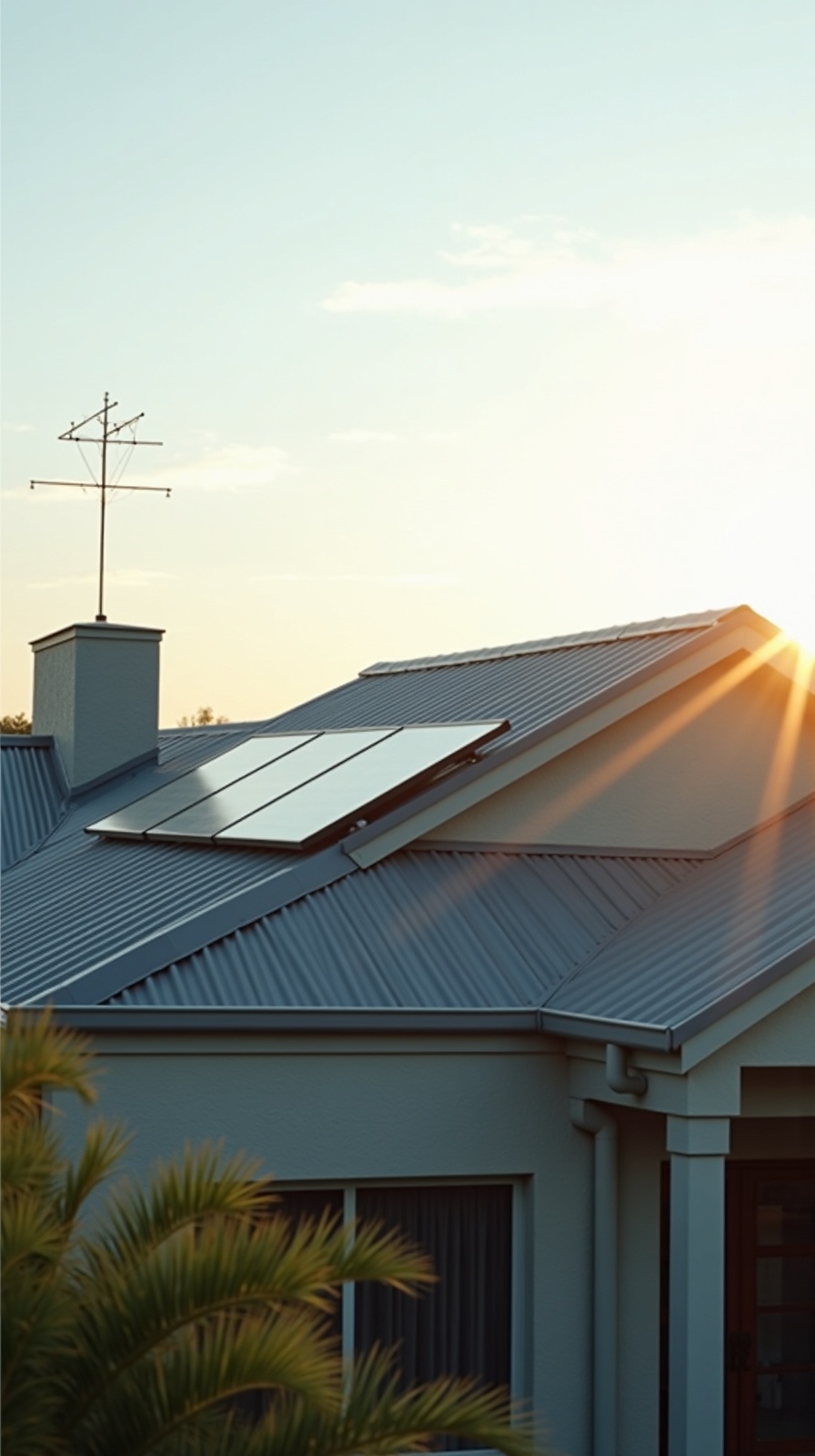

Storm, Lightning and Power Surge Damage to Solar Systems
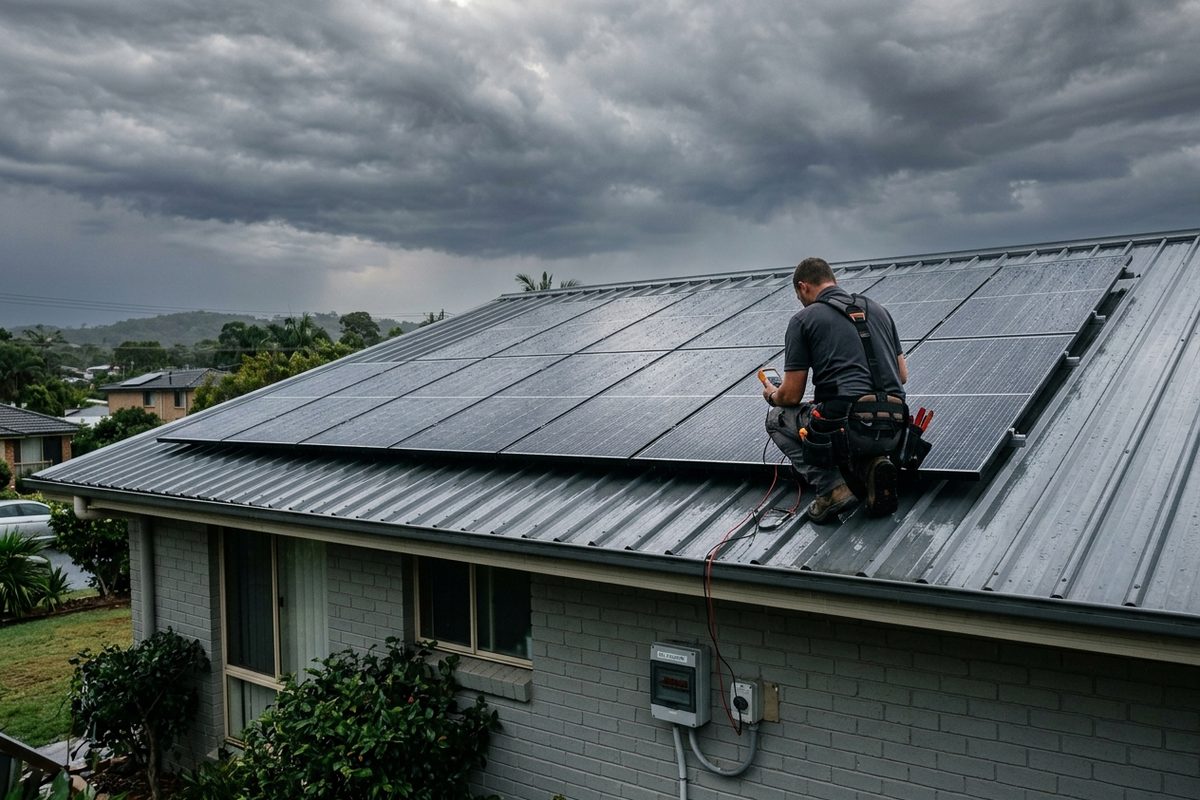
The Central Coast gets its share of wild weather, and solar systems sit right in the firing line, bolted to the roof, exposed to wind, hail, water and the electrical chaos of a storm. Most systems ride it out fine. But after a serious storm, a system can be left with damage that is not obvious from the ground, and knowing what to look for afterwards is worth the few minutes it takes.
How Storms Affect Solar
The threats come in a few forms. Wind can lift or stress panels and mounting if either was marginal to begin with. Hail can damage the glass, though quality panels are built to take a fair beating. Driving rain finds any weakness in seals, glands or a tired isolator and gets water where it should not be. And the electrical side of a storm, surges and nearby lightning, can stress or damage the inverter and electronics even when the panels themselves are untouched.
The Surge Problem
A direct lightning strike is rare, but the surges that travel through the grid and the air during a storm are not. These voltage spikes can reach the inverter and the connected electronics and either damage them outright or shorten their life. A system that shows a fault, will not restart, or behaves oddly after a storm has very likely taken a surge. Quality installs include surge protection that absorbs some of this, but protection devices themselves can be used up doing their job and need checking after a big event.
What to Check After a Storm
Once it is safe, a few things are worth a look. Is the system generating again, or has it stayed offline? Is the inverter showing a fault code? From the ground, are any panels visibly damaged, lifted or displaced, and is there any sign of water around the gear? You should not climb up or open anything, the checks are observational. Anything beyond confirming whether the system has come back is for an electrician, because storm-affected gear can carry hidden faults.
Why an Inspection Is Worth It
After a significant storm, an inspection does two things: it confirms the system is safe, and it catches damage that would otherwise quietly cost generation or develop into a bigger fault. Water ingress around live DC, a stressed isolator, or surge-damaged electronics are exactly the kind of problems that do not announce themselves but matter. If you are planning an insurance claim for storm damage, a proper assessment also documents what the weather actually did.
Prevention Where You Can
You cannot stop a storm, but a well-maintained system rides one out better. Sound mounting, intact seals, a current isolator and working surge protection all reduce what a storm can do. This is another argument for periodic servicing: a system that is already in good order has fewer weak points for rough weather to find. Catching a tired isolator or a degraded seal before storm season is cheaper than dealing with what the storm does to it.
Frequently Asked Questions
Can a storm damage my solar without hitting it directly?
Yes. Surges travelling through the grid and air during a storm can reach the inverter and electronics without any direct strike, which is why a system can fault after a storm even with the panels untouched.
My system stopped working after a storm, what should I do?
Check from the ground whether it has restarted and whether the inverter shows a fault, without climbing up or opening anything. If it has stayed offline, have an electrician inspect it, as storm-affected gear can carry hidden faults.
Does surge protection not stop this?
It helps, absorbing much of a surge, but protection devices get used up doing their job and need checking after a big event. They reduce damage rather than guaranteeing none.
Should I get an inspection even if it seems fine?
After a significant storm it is worth it, because water ingress and surge damage do not always show obvious symptoms. An inspection confirms the system is safe and catches hidden damage early.
Rough Weather Knocked Your System Around?
After a big storm it is worth checking your solar is sound. We inspect for surge and weather damage and put it right. Chat with our team across the Central Coast.